-
Review of ‘Eat The Planet Well’ by Dave Goulson

Certainly, I missed the parade of ‘Eat The Planet Well’ by Dave Gouson, when it was published earlier this year, and what a shame.
This is a delightfully informative book which takes the reader on a journey through our ‘toxic food systems’ and suggests a pathway, which is more than just a ‘faddy diet plan’, but instead one which works with the natural world to feed us in a healthy, sustainable manner.
This book is very timely, as we currently lurch from climate crisis to climate crisis, and more and more pressure is placed upon threatened ecosystems, whether through drought, floods, deforestation or government narratives which are not moving fast enough to fend off a greedy and profit-orientated food industry. As Goulson points out, ‘Our food system has become toxic: toxic to us, and toxic to our planet.’ He paints a shocking picture of our current world, a world where ‘soils have become degraded and lifeless; our rivers are awash with a toxic mix of chemical fertiliser, human and livestock excrement, pharmaceutical drugs, pesticides and plastics; landfills overspill with rotting food waste and used disposable nappies; our climate careens towards chaos.’
Goulson, however, is too shrewd to offer us a doom-laden scenario, without offering us individual choices which we can make. Here the book comes into its own- there is more emphasis on the individual consumer, indeed there is a chapter called ‘Don’t Wait For the Government’, which seems both sensible and appropriate. This is very much what the environmental and sustainability audience need- a reminder of the power of the individual and to quote Erin Brockovich- a reminder that ‘Superman Isn’t Coming’ and that we are neither hapless nor helpless, but active agents and stakeholders in our own stories, with the power of choice.
‘Eat The Planet Well’ effectively explores the nuance of complex systems, while tackling issues such as ‘Is Organic Food Healthier’, ‘The Rise of Ultra-Processed Food’, ‘Do Livestock Suffer?’. The chapters are packed full with concise factual information, with the repeated underlying message that this book is not meant to be a didactic one, but rather a book about family. He quotes Michael Pollan who echoed the idea of moderation,when he said, ‘Eat food. Not too much. Mostly plants.’ Goulson explains that by ‘eat food’, Pollan means eat real food– or as he puts it another way, ‘food that your grandmother would recognize’.
Goulson evaluates the trade-offs that consumers might balance, when trying to avoid foods which have been sprayed with pesticides, foods which are ‘greenwashed’ to look and be labelled healthy, and a confusing smorgasbord of accredited organisations which offer ‘guarantees’ that the food is sustainable or healthy. He understands the ‘grey’ between positions, that when the ‘Global Western’ world suddenly decides to cut off a product like palm oil, that there are direct impacts on local livelihoods elsewhere.
‘Even if one could somehow engineer a global collapse in the demand for palm oil, another likely adverse consequence would be the loss of thousands of rural jobs in low- income countries, and of millions of jobs involved in transporting and processing palm oil.’
Goulson is advocating informed choices and decision making from those who can. He cautions against the dangers of industry lobbying and media campaigns. He urges us to remember that ‘Perfect is the enemy of Good’ and that we can take action- a key area described in the book is that of food waste, which is somewhat in our control.
‘Overall, enough food is wasted in the EU each year to fill 3 million articulated lorries.’
He continues, ‘The scale of food wasted by households is staggering, particularly in the Global North. For example, in the UK we throw away 12 per cent of the food we buy, about 4.4 million tonnes, equivalent to 160 kilograms of food per household per year.’ He argues that from a household financial perspective, this also has the benefit of saving money, which could be used elsewhere.
The book is packed with details on the impacts of pesticides, GM crops, and meat and milk alternatives for those shocked by animal welfare conditions. In addition, Goulson gives many examples of places and ventures where sustainable eating and living work hand in hand with nature, rather than against. He applauds and advocates farms where ‘growing food sustainably means looking after the soil and working with nature.’
Goulson concludes the book with advice, which is well-known by now. And this is an important point- despite a powerful industry narrative against consumer choice- the path forward is agreed. Despite a powerful meat lobby, vegetarianism is becoming more popular, plant-based meals are more available and even lab-created food is here.
‘[M]ost of us should eat only a little meat and fish, less sugar and processed carbs, and more nuts, fruits and vegetables– is broadly agreed across the scientific community.’
Successfully tackling food waste, improving water use efficiency and finding more equitable means for the distribution of fertilisers amongst the world’s farmers can help us achieve a global food transformation, worthy of Norman Borlaug.
For a fast-paced 21st century world, where everything must be available all-year-round, slowing down would do us wonders. Working with nature, whether we have our own allotments or small window boxes, would help us re-connect with the world beneath our feet.
Goulson finally encourages us that ‘Wonderful food is out there’. He closes the book with many recipes and resources to help empower his audience to recognise food which is healthy, cheap and with a low environmental footprint. These are the real ‘super-foods.’
-
Yorkshire Water’s CEO permanently ‘unavailable’ for Ripon City Council’s accountability meeting
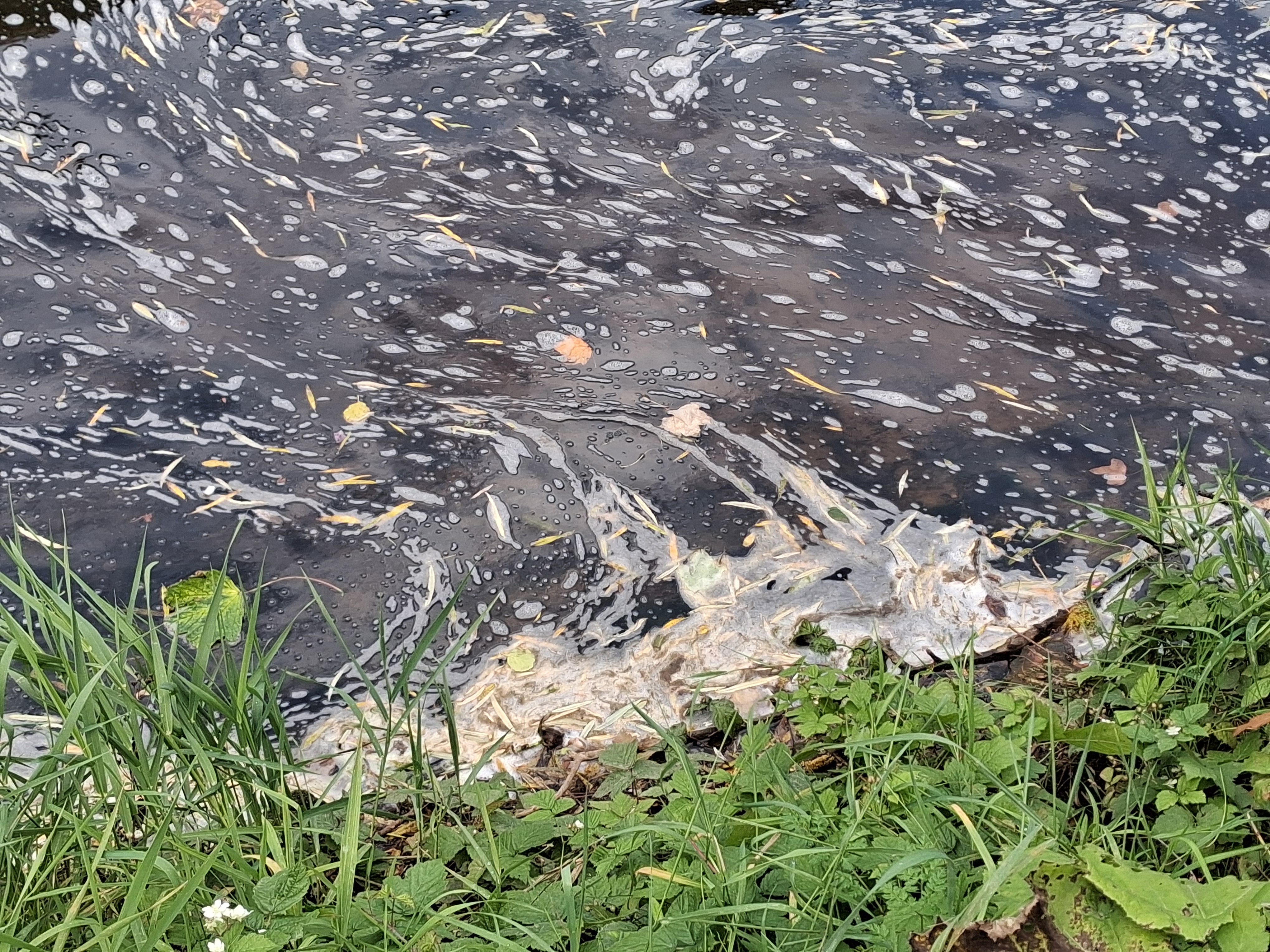
Despite no future meeting date being set, Yorkshire Water’s CEO states she cannot attend meeting, owing to her ‘availability’.
Ripon City Council recently invited the CEO of Yorkshire Water to a council meeting following levels of pollution in local rivers. The invitation, unanimously agreed on by councillors present, read, ‘This council calls upon Yorkshire Water to cease the practice of discharging sewage into our local rivers. This council believes that local children when water levels permit should be able to paddle safely in our rivers free from pee and poo.
This council invites the Chief Executive to come to a future meeting of the council and explain why Yorkshire Water think this practice is acceptable and outline what measures Yorkshire Water will be implementing to ensure that this practice ceases.’
When asked whether Yorkshire Water would confirm the attendance of Nicola Shaw, the CEO, a spokesperson said:
‘A Yorkshire Water representative will be available for a meeting with Ripon City Council – though at this stage, it is unlikely to be Nicola, based on her availability.’
It appears that the CEO is permanently unavailable to be accountable to councils and customers for the levels of pollution in Yorkshire’s waterways, as no date had been offered for the meeting and therefore Nicola Shaw had declared herself ‘unavailable’ for all future council meetings.
‘Our storm overflows operate more often than we would like’
A Yorkshire Water spokesperson admitted that pollution levels were unacceptable saying: “Our storm overflows operate more often than we, and our customers, would like, and we’re committed to reducing their operation.
“We’re underway with a £1.5bn investment programme to reduce the number and frequency of storm overflow discharges across the region between 2025 and 2030 – this includes a number of projects in Ripon that are currently being investigated. This follows a £180m investment in the couple of years prior.
“We’re seeing the positive results of these investments. In 2025, we reduced the number of discharges into watercourses by 24.5%, following on from a 12% reduction in 2024.”
Mayor of Ripon, Andrew Williams, commented, ‘We are still waiting a formal reply at RCC and are still looking to engage with the CEO over issues directly related to the three local rivers in Ripon, whilst Yorkshire Water may have invested resources elsewhere, we are still experiencing the regular discharge of sewage into the river network even on dry days. This is simply not acceptable and the practice must cease.’
National debate does not offer public referendum
Water Minister, Emma Hardy, commented during the debate in response to the e-petition created by campaigner Ash Smith that, ‘The failures of the past cannot continue.’ She continued, ‘30 years of privatisation has not left the sector in a good state and that’s probably an understatement.’
The Minister added, ‘All of the failures that people have mentioned are outrageous’ and noted that ‘It is horrific that we have ended up in this situation.’ She concluded by saying, ‘We will look at all possible solutions for the water industry and we will bring forward reforms to make the water sector work for people and places again.’
Clive Lewis, MP, who spoke during the debate argued that ‘For me, it comes down to this: when compounding crises threaten our water supply, do we want corporations and billionaires in control of it?’ Additionally he took to social media to warn ‘If government is to overhaul failing infrastructure, accelerate the green transition and reshape strategically important industries like water and energy, it needs the freedom to act without facing billion-pound claims from foreign investors.’
Rivers of sewage
While debate continues around which reforms would be practical and timely, local river campaigners around the country, continue to hold their breath during every rain shower, for fear that the ‘floodgates will open’ and that rivers will be deluged with pollution and turn into rivers of sewage.
-
Ripon City Council challenges Yorkshire Water’s CEO over river pollution
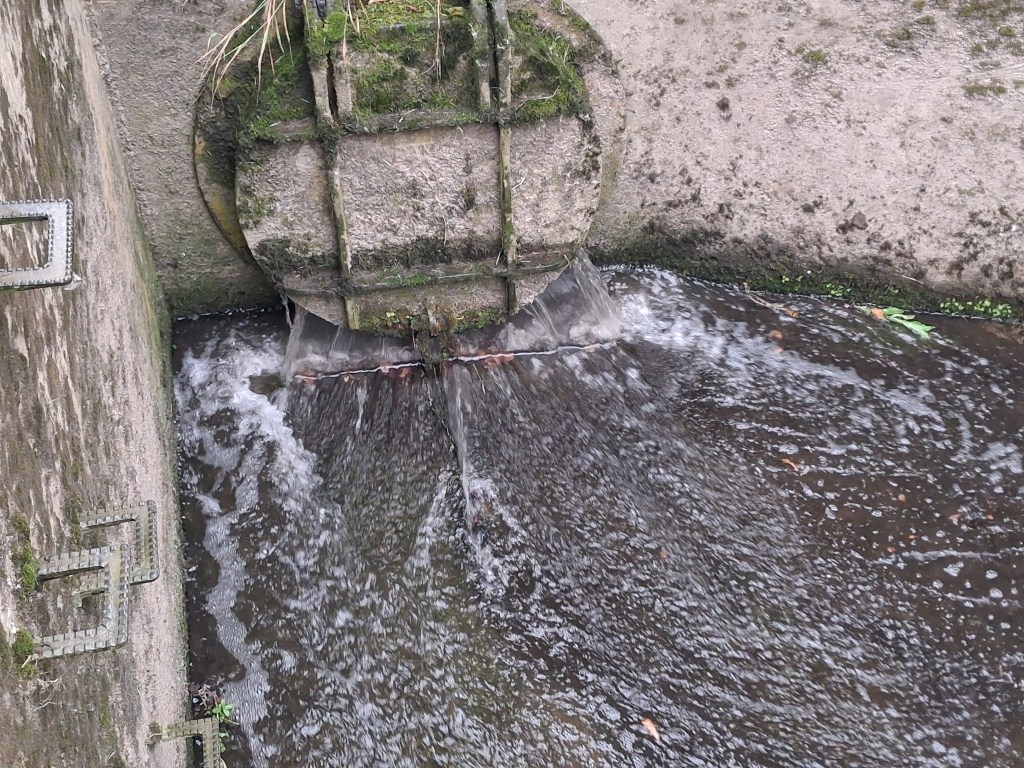
On Monday 7th September 2026, Ripon City Council will propose a motion to call upon Yorkshire Water to cease the practice of discharging sewage into local rivers. If passed, the CEO of Yorkshire Water, Nicola Shaw, will be invited to a future meeting to explain why this has been the current practice and to outline what measures will be implemented to ensure that pollution of rivers ends.
The motion has been brought by Cllr Jackie Crozier and is supported in the first instance by the Mayor of Ripon, Cllr Andrew Williams. It reads:
‘This council calls upon Yorkshire Water to cease the practice of discharging sewage into our local rivers. This council believes that local children when water levels permit should be able to paddle safely in our rivers free from pee and poo.
This council invites the Chief Executive to come to a future meeting of the council and explain why Yorkshire Water think this practice is acceptable and outline what measures Yorkshire Water will be implementing to ensure that this practice ceases.’
Cllr Jackie Crozier commented, ‘The time for talk is over. We know what the problem is and the water companies appear not to be accountable to anyone. When our local children are repeatedly warned not to go into local rivers to play and paddle because of the levels of sewage discharged into the waterways, then something is clearly wrong. As a council, we want to look after our local community and call organisations to account when they impact our community and our environment.’
Mayor Williams commented, ‘I care about our environment and a large plc to which we all pay a lot of money each year shouldn’t be polluting rivers and putting our health at risk. I wanted to make a stand, take more direct action, and put pressure on Yorkshire Water to be more answerable.’
Pressure mounts on water companies
This pressure on water companies to be accountable comes at a time when Parliament will shortly discuss holding a referendum to bring the water industry into public ownership, after a landmark petition gained almost 200,000 signatures.
With Yorkshire Water spilling sewage into the waterways of Yorkshire for 285,930 hours last year alone, local rivers and beauty spots have become risky areas to enjoy. At the same time, Yorkshire Water wastes an average of more than 257 million litres of clean drinking water every single day, putting incredible pressure on a single, much in-demand resource for our agricultural community. In recent months, the CEO, Nicola Shaw, received a payment of £660,000 from Kelda Holdings, the parent company of Yorkshire Water, on top of a base salary and benefits of over £657,000.
Yorkshire Water is also due to be downgraded to a 1 star rating later this year, though customers’ bills will still rise by 5.6%.
A range of pollutants
The Ripon area is served by the rivers Skell, Ure and Laver, with a local group, ‘Stop Ure Pollution’ taking water samples to keep the public informed, particularly about the risks from E-coli. Without their efforts, the public would be ignorant of the dangers posed by multiple forms of pollution in the local rivers. Last year, sewage poured into these 3 rivers for 580 hours, or for roughly 24 days. Over the past 5 years, the River Ure alone has had to absorb almost 3,488 hours of sewage being dumped into its waterway.
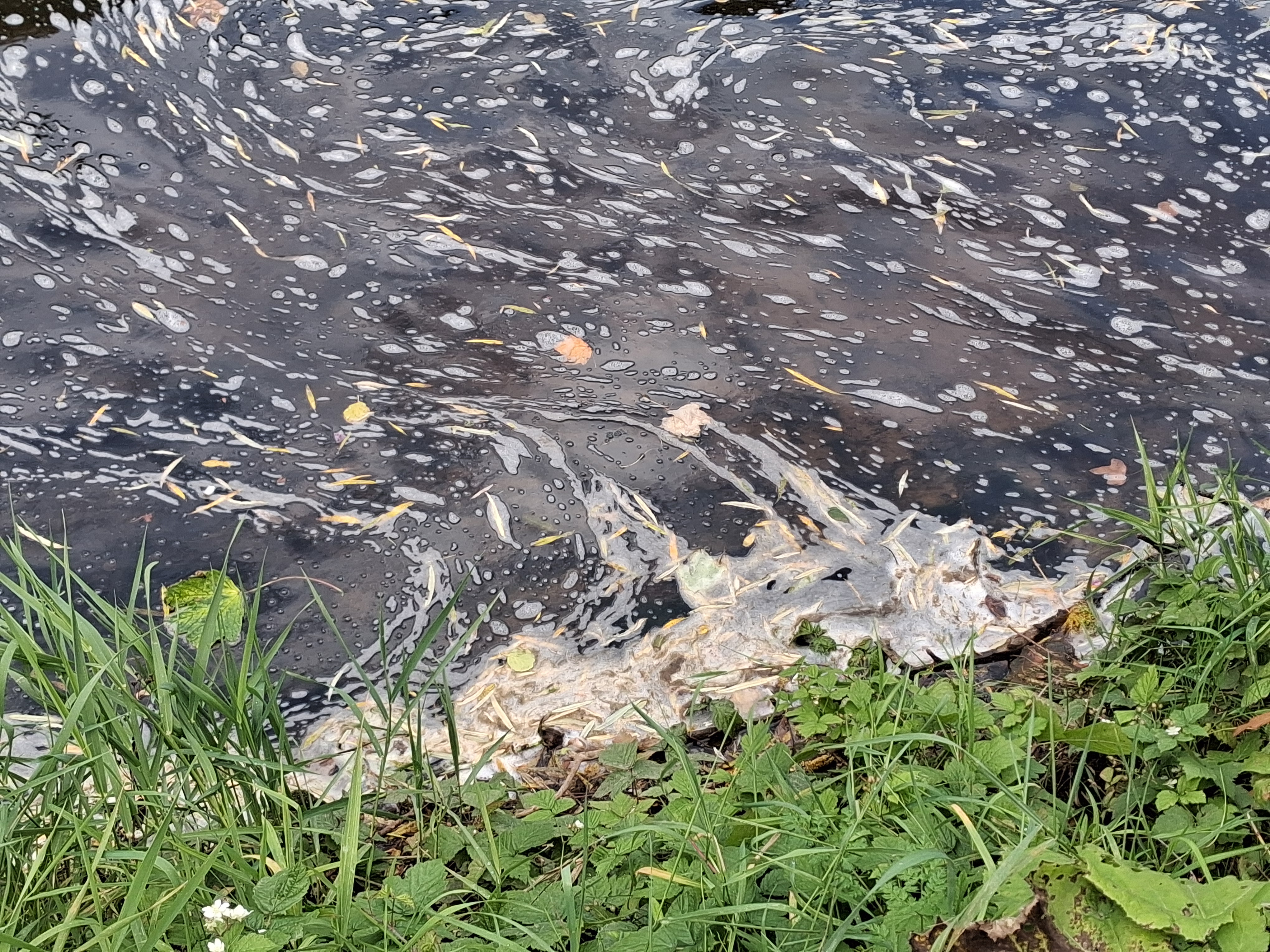
Enough is enough, now say Ripon City Council, and calling on the CEO to answer questions may act as the precedent for other city and regional councils to do likewise. If Yorkshire Water chooses not to attend, then they will be sending a strong signal to its customers that they feel they are not answerable for their actions.
All eyes will be on the vote at Ripon City Council next week to monitor how local elected representatives respond to this continual threat to water users, with a local resident responding to the proposed motion, saying, ‘It is absolutely fantastic to see this environmental action and leadership coming from Ripon City Council under the direction of Cllrs Andrew Williams and Jackie Crozier. For far too long, our rivers have been polluted by Yorkshire Water and it is time that they face the music for what they have done and make amends to their customers.’
-
Why I am protesting against an intensive chicken factory
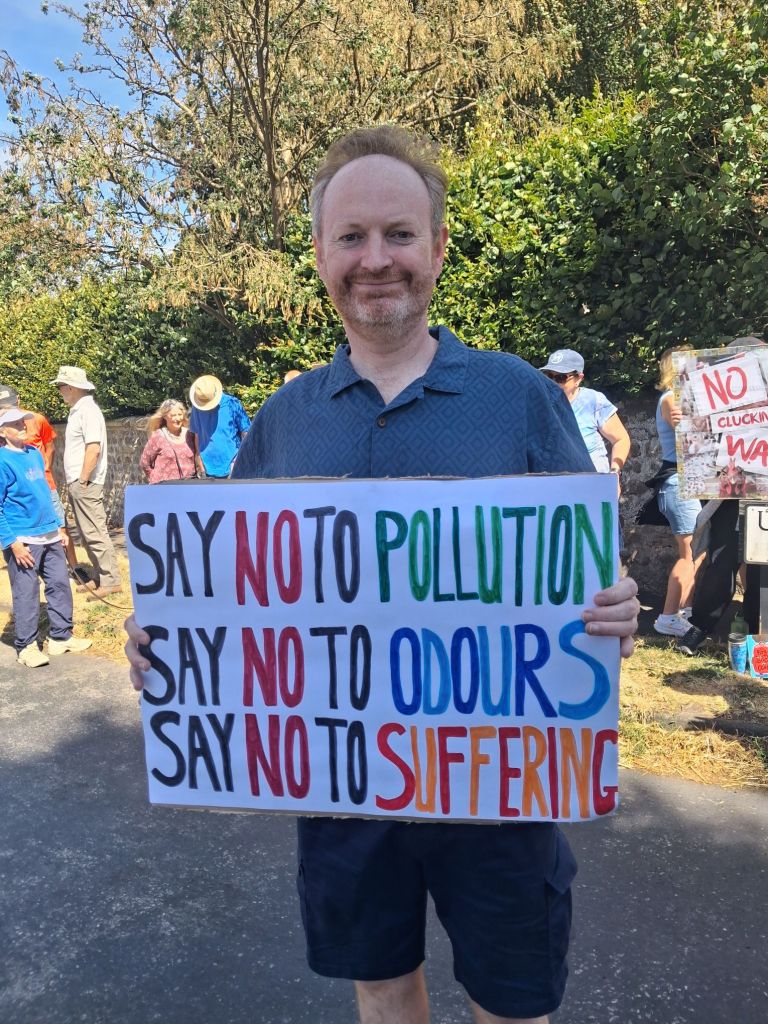
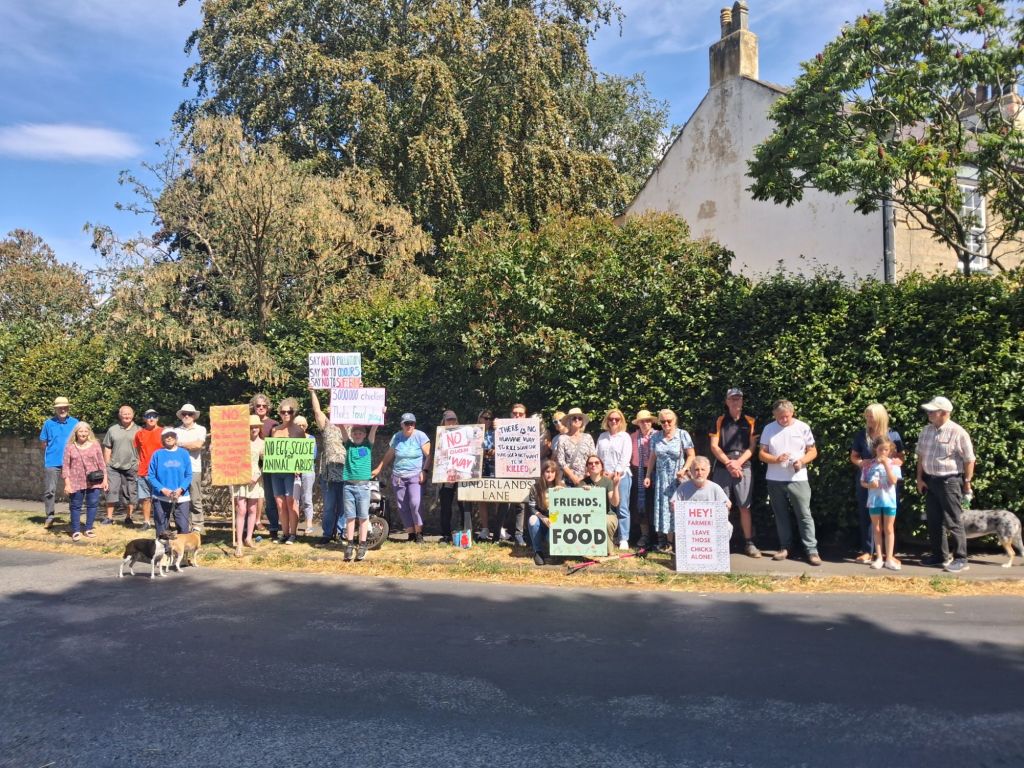
Almost 30 people gathered this morning in the quiet, rural village of Melmerby, Ripon, to protest against the planned development of an intensive chicken factory, which will house 2.7 million chickens annually.
This time, instead of reporting on a protest or a campaign, I found myself leading and organising the protest. Amid amusing chicken-related puns on placards, there were serious environmental and planning issues being focused on by campaigners.
For those who have organised and led protests themselves, you will know that there are always many factors to consider and juggle. From informing the police as a sensible precaution to help with public safety and awareness; from deciding on a convenient date, time and location for the public; from coordinating with the press to grow media attention and awareness for the issue which you are protesting about; and then finally, putting yourself into the crosshairs, by informing the local community about the campaign and noting the extensive and inevitable backlash from anonymous posters, trolls and bots, which although tiresome, helpfully promote any post on some social media platforms. On the day, you hope that everything will go smoothly, that the weather will be kind, and that there will be a decent turnout, so you won’t be embarrassed.
So why bother? Staying quiet is easier, right?
Wrong.
The power of individuals to make their voice heard comes from individuals coming together as a group. Groups of people can change things, if the famous words of Margaret Mead are to be believed. At the protest today, we saw a group of people from different backgrounds who came together to try and make a change.


Of course, protesting an issue doesn’t always mean that you are going to be successful. It may be that this chicken factory will go ahead in some form. Sometimes, there are times where you know you are going to lose before you begin, but you give it your best efforts anyway, knowing that this might make it easier for the next group to come along. Some issues need to be spoken out against, otherwise it can quietly become a very dangerous world, where the powerful feel that they can do what they want and the little people will be quiet.
So why bother? Because if this intensive chicken factory is approved and I did nothing, then I would struggle to be proud when I looked at myself in the mirror- knowing that I could have done more, that I could have brought people together, that I could have spoken out, but that I chose not to because it wasn’t convenient for me? That I couldn’t be bothered? Now, my inner self-indulgent Don Quixote is not being channelled here, nor is my Edmund Burke, but it is a moral imperative to speak your truth clearly and do all the good you can, by all the means you can, in all the ways you can, in all the places you can, at all the times you can, to all the people you can, as long as ever you can.
What are the factory plans that need to be refused?
Forest Poultry Ltd have put forward a proposal to house 6 sheds, each containing approximately 60,000 chickens, so that at any one time, there would be 360,000 chickens on site. With 7 and a half cycles a year, this would mean that approx 2.7 million chickens would be reared for roughly 30-35 days, before being transported from the site to a slaughterhouse.

The UK animal welfare charity, PETA says that 18,000 people have signed an online petition against the factory proposal. Over 430 people have objected on the North Yorkshire Council Planning Portal, with only 1 supporting comment for the proposal and that is from the National Farmers’ Union. Despite all the sound and fury on local social media groups about the desire for ‘cheap British chicken’, it appears that the public will take the time to post furiously on social media, but not actually register their view officially.
Language matters from both sides of this campaign and indeed any campaign. Describing the proposal as a ‘farm’ creates the positive connotations of a child’s toy, with fences and a few animals and a big red farmhouse- small scale and with a sense of freedom for the animals. Describing the proposal as a ‘factory’ creates the sense of an intensive, mechanical, industrial scale venture, churning a product out simply to make a profit. We need to be careful of the poultry industry and other industries such as ‘salmon farming’ which aim to create the narrative of a place with lots of space for a few animals to grow up, being looked after lovingly by a ‘farmer’- when, in reality, this is far from the case.
Comments that were passed on to local and regional media outlets included the following:
‘It is worrying that at this late stage of the process, the people of Melmerby are still being ignored by the applicant and key information is missing. It really feels like this is being pushed through, regardless of what the locals think.
It really is fantastic to see the turnout today- from people who want to have their voices heard on the environmental issues, animal welfare issues and planning issues which surround this plan.
Background ammonia concentrations already exceed critical levels and this is accepted by the applicant. The intrusive smell of 2.7 million chickens is a real concern and hasn’t been fully addressed in the planning documents.
People here also have concerns about the pollution of groundwater- which we have seen is a real concern in places where we have these industrial units- for example the River Wye.
There is a strong narrative being pushed that we need ‘cheap chicken’ with high welfare standards rather than rely on imported chickens, but what appears to be missed is that the claims of a national need for chickens is an industry narrative and is not a government initiative at all.
What is missed in the documents is that to feed almost 3 million chickens, we will need to import huge amounts of chicken feed–so it is not a strong argument to say that this facility is needed to reduce imports, when it is totally reliant on imported feed- this is the development’s largest single emission source- over 53%- therefore, the food security argument is weak.
Then there are the animal welfare issues- there is no assessment in the documents of an avian influenza (bird flu) risk despite recent outbreaks in Bedale, North Yorkshire.
Then we have the living conditions themselves- the 30-35 day life span of the birds and 360,000 crowded together at any one time.
Some people are concerned that the chicken manure will be sprayed on fields, however the planning documents suggest that it will go to a processing plant in Norfolk. The problem is that the processing plant in Norfolk for the almost 4,000 tonnes of chicken manure annually, does not have a licence beyond 2027 and is likely to close. There is no assessed alternative given in the application.’
The Skipton and Ripon Planning Committee need to be asking serious questions about why we have so many unsubstantiated and inconsistent claims in this application.’
All eyes will be on the Planning Committee to see whether they will reject this application and reject this narrative from an industry solely focused on profits.

-
Human- induced climate change made the recent wildfires in Spain 20 times more likely

https://commons.wikimedia.org/wiki/File:Incendios_de_2022_%28Our%C3%A9m%29.jpg
Human-induced climate change made the extreme fire weather that fuelled the recent destructive wildfires at least twice as likely in France and at least 20 times more likely in Spain, according to a new World Weather Attribution (WWA) study.
The severe wildfires which have burned across France and Spain, and which now are affecting Greece, have destroyed thousands of homes and have forced more than 300,000 to flee before the flames. Major tourist areas and cities such as Madrid and Bordeaux were threatened with the destruction, though they were not themselves evacuated. The report noted, ‘In France, the fires originated near the Atlantic coast on 22 and 23 July but have since spread inland, becoming particularly destructive in the Gironde department around Bordeaux. The Gironde fire has so far burned approximately 40,000 ha, the second largest area of land devastated by a single wildfire in France since the Second World War
At least 240 homes have been destroyed, with many more damaged, while around 220,000 residents and tourists were evacuated as the fires continue to threaten forests, highly touristic and iconic areas, as well as sensitive economic activities and surrounding communities.’
High temperatures are forecasted for the next few days in both countries, potentially worsening fire conditions and these fires have been described as some of the worst ever in their countries, with 140,000 hectares burned in Spain in July and 115,000 in France since the beginning of the year.
The researchers from the WWA did not use climate models for this recent study, instead they analysed historical weather observations to see how fire-prone weather conditions have changed over time and used the Daily Severity Rating (DSR) to examine the difficulties in suppressing the fires once they had started. To understand the changes in the risk of extreme wildfires, scientists compared this year’s fire weather conditions to the maximum fire weather conditions recorded in previous summers (June-August), within a comparable 7-day window. They then analysed trends in observed data, and compared today’s climate with simulations of a pre-industrial climate.
Dr. Clair Barnes, Research Associate in Extreme Weather and Climate Change at the Centre for Environmental Policy, Imperial College London said: “What we’re seeing in France and Spain isn’t just bad luck, it is a clear sign of the escalating impacts of anthropogenic warming. A wet winter, followed by this intensely dry summer and a succession of heatwaves, has left forests loaded with dry fuel, and relentless heat – fuelled by human-caused climate change – has created the conditions for sparks to take hold and become massive, dangerous wildfires.
She continued, “We’ve seen repeatedly how climate change increases hot, dry, flammable conditions that are extremely conducive to wildfires. What’s unique about this case is that it’s still early in the season – and with another heatwave looming, these findings are extremely scary.
These aren’t fires burning in remote areas, they are happening in close proximity to where people live. Every fraction of a degree of warming pushes us into unknown territory, and these fires show exactly what that risk looks like.”
Climate is shifting faster than governments are acting
Dr. Friederike Otto, Professor of Climate Science at the Centre for Environmental Policy, Imperial College London added: “Our studies time and again show how Europe’s climate is shifting faster than governments are adapting. Last year we documented the Iberian fires; more recently, our research showed how climate change is worsening drought across the continent. Now we’re seeing yet another disaster fueled by the same driver: the burning of fossil fuels.
“Science doesn’t care whether this year follows record fires, whether governments are prepared, if winter rain was adequate, or if this is coming at the back of several heatwaves that exhausted resources and the population. Climate change means that the right combination of weather conditions that create a tinderbox and turn it into a disaster happens much more often.”
Compounding climate risks
As well as risk to life, property and infrastructure- wildfires also carry with them the threat of impacting air quality, presenting an additional health risk.
Wildfire smoke contains high levels of particulate matter, as well as carbon monoxide, carbon dioxide, nitrogen oxides, ozone, volatile organic compounds (such as formaldehyde and benzene), lead, and other toxic and irritating substances, creating significant respiratory and cardiovascular health risks.
In Spain, nearly 100,000 people were confined to their homes because of the air quality. On the other hand, France released FFP2 masks for the first time to pharmacies for vulnerable populations during the ambient air pollution episode.
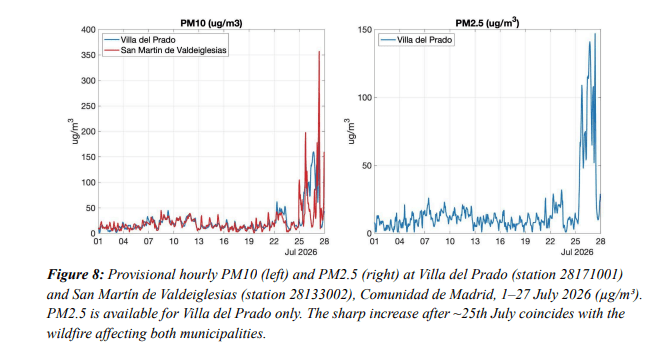
Augustin Colette, Head of Unit at the French National Institute for Industrial Environment and Risks said: “The extreme fire events occurring at the wildland-urban interface sparked devastation and released massive amounts of air pollutants in the atmosphere. The smoke from the fire plumes increased particulate matter peak levels up to 20 times above what is considered “fair air quality” for PM2.5 in Europe, and extremely poor air quality was felt up to 400 km away from the fires.
“These extensive wildfires and subsequent air pollution outbursts will bear upon a population already hard hit by several weeks of heat waves. This summer 2026 sequence of compounding climate risks should be an eye opener for the upcoming adaptation challenges and motivate ambitious climate action.”
‘Dante’s Inferno’
The report made clear that severe fire weather is here to stay and with conditions increasing, more needs to be done to reduce risk exposure.
‘Severe fire weather is no longer rare under today’s climate. As the likelihood of these compound fire weather conditions continues to increase, reducing wildfire risk will require not only effective fire suppression and cross-border coordination, but also greater emphasis on prevention through risk-sensitive landscape planning and management (e.g., increasing species diversity) and reducing exposure.’
This point was repeated by the European Commissioner for Equality, Preparedness and Crisis Management, speaking to Channel 4 on the 30th July. She said the wildfires ravaging Europe were now being described as “Dante’s Inferno”, warning that climate change was reshaping the continent’s disaster landscape. ‘We need really to have the lessons learned because climate change is really reshaping our landscape and we need to adapt and anticipate what is becoming the new norm.
The solutions are clear
Simon Stiell, UN Climate Change Executive Secretary, added: “These mega-fires show how fast climate-driven extreme heat and dry landscapes can turn wildfires into devastating national disasters – forcing mass evacuations, destroying homes, businesses and vital infrastructure, driving huge additional carbon emissions, and harming human health, as dangerous smoke spreads far beyond the firelines.
Humanity continuing to burn colossal amounts of coal, oil and gas is baking our planet, making these conditions more dangerous, and these megafires more deadly and destructive.
But the solutions are equally clear: all countries must move faster from fossil fuels to renewables and protect people from worsening climate impacts, from wildfires, to megastorms and floods, to droughts hitting food production.”
.
-
Back to Bentham: What next for the people of Bentham still waiting for answers?
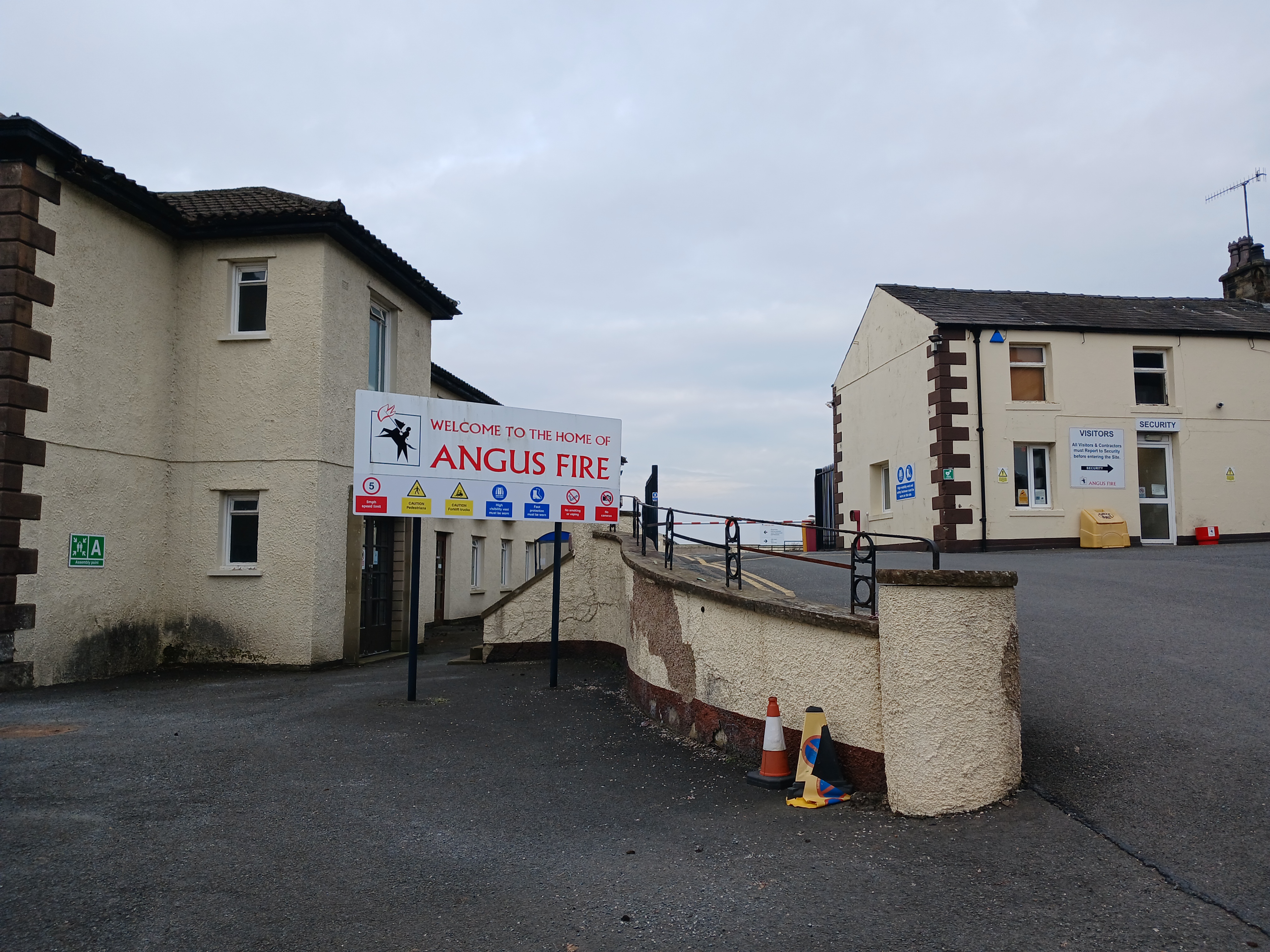
Almost four months ago, ITV released their documentary on high PFAS levels in the blood of some Bentham residents. Bentham, once dubbed ‘the most PFAS polluted town in the UK, has been in the spotlight for several years now, as investigations revealed incredibly high levels of PFAS chemicals in the groundwater of their wastewater lagoons.
Angus Fire did not respond directly to this investigation at the time, but have provided community information to Bentham Town Council in April saying, ‘Angus Fire recognises the importance of the PFAS issue to the local community. We do not believe, however, that the documentary presented an accurate reflection of the situation in Bentham. In particular, it was disappointing that anecdotal accounts and speculation were broadcast as fact by ITV and that material known to producers to be out of date and incorrect, was presented.’ They continued in this tone, stating, ‘We believe that any public communications on the matter must be grounded in established facts and objective science. We are all aware that idle speculation can result in unnecessary worry, which is why Angus Fire has been clear in taking a science-led approach to our communication with all stakeholders…’
Council says no proven cancer link has been established
The North Yorkshire Council website has given more information about the potential public health harm of PFAS contamination stating, ‘There is currently no evidence that cancer rates for High Bentham, which are above the national average, may be connected to PFAS. While the number of people with cancer registered at Bentham Medical Practice, and the number of new cancer diagnoses per year, is higher than the England average according to national data, this does not take into account the age profile of people living in Bentham, which is older than the national average.’
It did caveat this lack of direct evidence again, when it noted, ‘Looking at cancer rates alone cannot identify why cases may be increased or decreased, and the rates of cancer shown on this page refer to all cancers, not just those potentially related to PFAS, which could demonstrate a different pattern. ‘
Environment Agency approves PFAS treatment permit
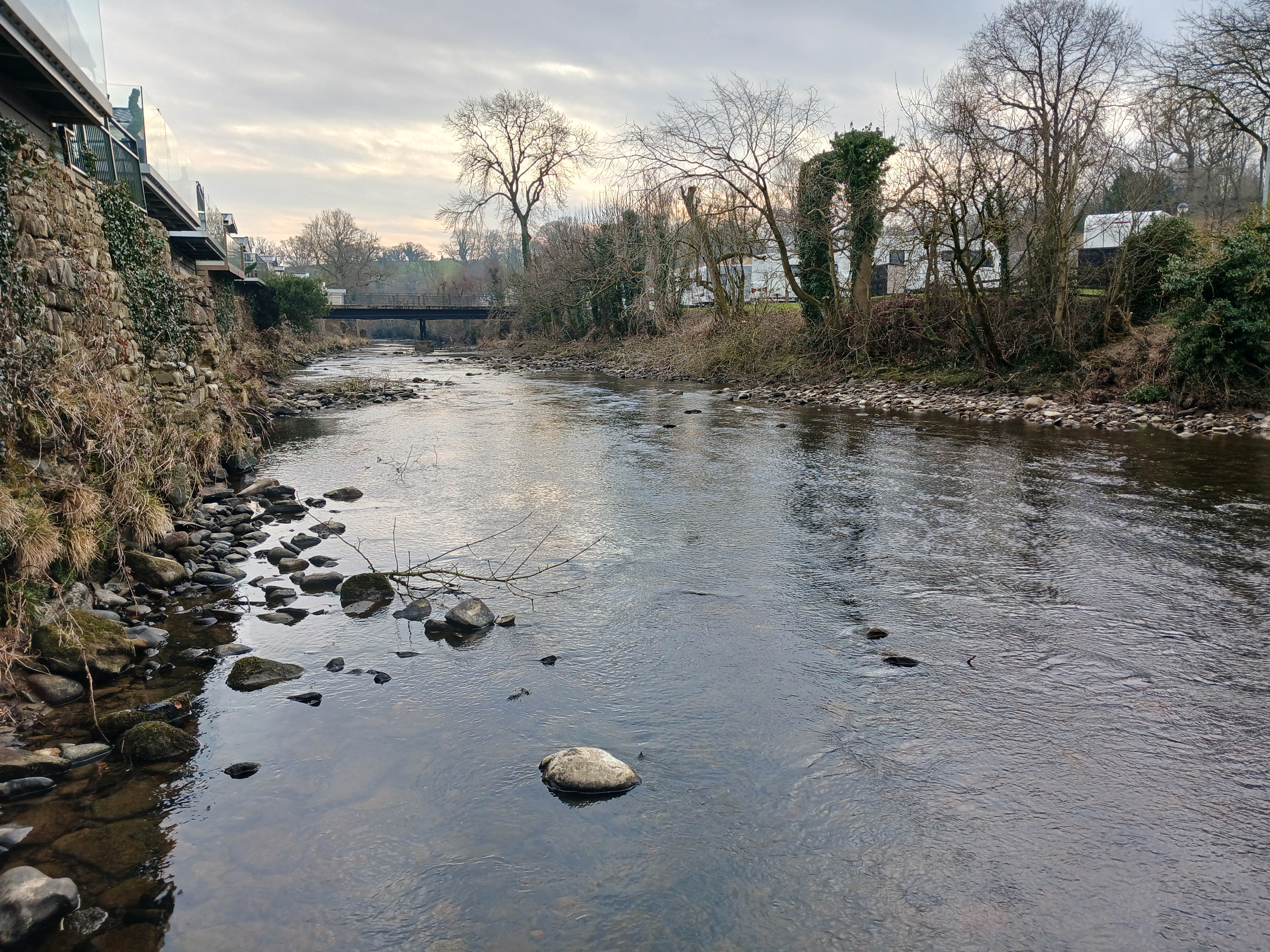
Angus Fire has now been granted a permit variation from the Environment Agency for an effluent treatment plant to reduce the PFAS in the collected rainwater of an estimated 7,500,000 litres, as well as future rainwater which falls onto the site. The Environment Agency information continues, ‘Angus Fire has been collecting this rainwater so it can be treated to reduce the PFAS substances. Once treated at the effluent plant, the rainwater will be discharged to the River Wenning. The level of PFAS remaining in the treated rainwater discharged into the river will be in line with levels currently accepted as best practice for PFAS treatment processes. The operator no longer manufactures firefighting foam at its High Bentham site. The application is to treat rainwater to reduce PFAS chemicals from the site’s previous manufacturing processes.’
However, campaigners from Cleaner Bentham remain unsatisfied with the levels of transparency and rigour which they perceive coming from the Environment Agency. Mat Young of Cleaner Bentham told me, ‘Angus has been given their permit, however we believe this was given prematurely and are looking into whether the Environment Agency/Angus’s conducted tests on the 48 chemicals required by the DWI were tested for.’ He highlighted that the River Lune was a protected drinking water source and had concerns about whether the Environment Agency had bowed to external pressure. He added, ‘The Environment agency is not willing to sit with residents and Bentham Town Council in an MDC committee and have not responded to another public meeting request with the residents.’
Calls for greater transparency over scientific reports
Bentham Town Council have recently actioned a request for the report conducted by Dr P Byrne of Liverpool John Moor University, which was completed in December 2025, which is believed to be held by Angus Fire and referenced by them in April 2026. Mat Young also highlighted the slow process taken by Angus Fire in revealing pertinent information, noting the ‘ongoing’ nature of their investigations, which were first revealed in May 2024.
‘Our independent environmental consultants have conducted investigative work of the soil and groundwater at the Bentham site. This work is ongoing but already shows that PFAS has contaminated soil in six localised areas on the site, with the majority contained within the top two metres of soil. ‘

Further site investigations continue
Angus Fire repeated their pledge to continue investigatory work on legacy PFAS on the site when they noted on their community microsite in June 2026; ‘independent consultants and their specialist contractors are conducting extensive deeper drilling and soil investigations across the site. This work has been underway for the past five weeks and will continue for at least another week.
Additional deep groundwater investigations will follow in July and August, with all samples sent to a third-party laboratory for PFAS testing and analysis. The new boreholes will be capped and used as monitoring wells for future sampling…Once completed, independent consultants will present their investigative findings together with their proposals for any additional corrective actions and/or remediation to the Environment Agency and other UK regulatory bodies.’
At least another month of ‘logistically challenging’ investigation work still to be completed by Angus Fire before the samples are sent to a third-party, who will need time themselves to analyse and evaluate the samples. All this time, the people of Bentham are still waiting for answers on the extent of the PFAS contamination of their town.
-
New analysis suggests up to 90% of untreated sewage discharges could be illegal
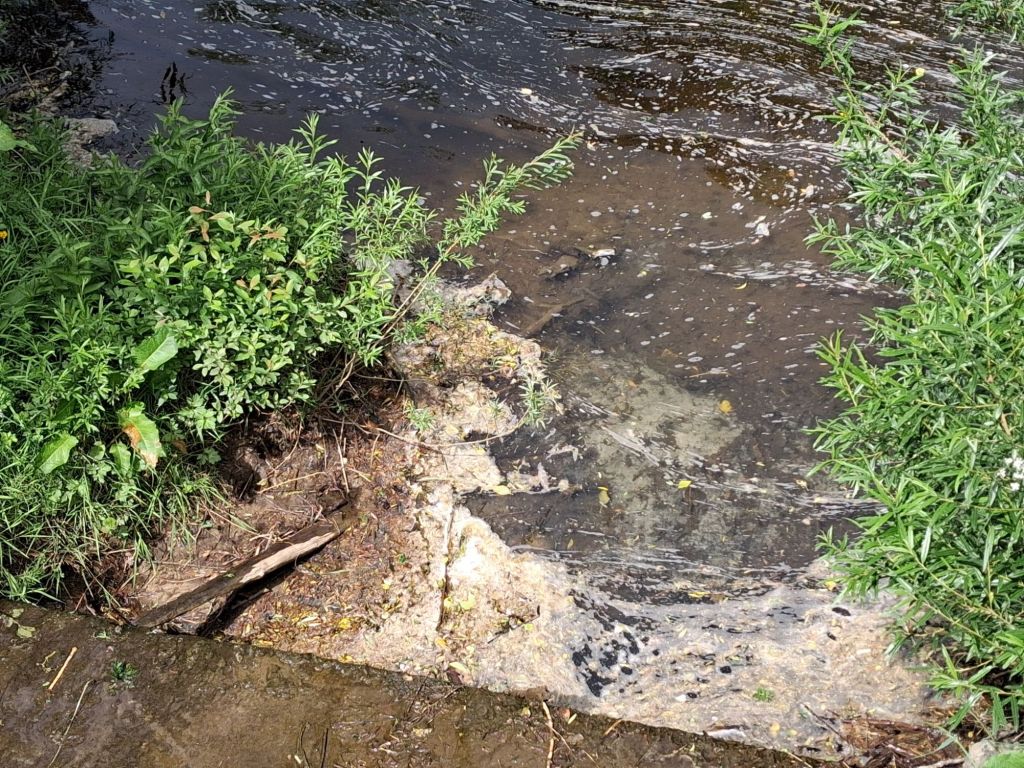
Sewage in Yorkshire A major new analysis by sewage pollution expert Peter Hammond has found that between 80% and 90% of untreated sewage discharge across Britain is non-compliant with the Environment Agency’s own “heavy rainfall” methodology.
The report, published by Windrush Against Sewage Pollution (WASP), analysed 482 storm overflows serving the equivalent of 39.3 million people across England, Scotland and Wales.
It concludes that the overwhelming majority of untreated sewage discharges would fail the Environment Agency’s own test for determining whether spills occurred during genuinely exceptional rainfall. It used a methodology and test which defined the level of rainfall necessary for a spill to be considered lawful and found widespread non-compliance across every major water company.
Current regulatory assessments largely rely on identifying “dry day spills”, where sewage is discharged after little or no rainfall. However, the report argues this approach captures only a small proportion of unlawful spills.
Peter Hammond, Windrush Against Sewage Pollution said, “The Environment Agency successfully relied upon this methodology during the Southern Water prosecution, where it was accepted by the court as a robust way of determining whether untreated sewage discharges were lawful. If it is robust enough to prosecute one water company, it should be applied consistently across the entire industry.”
As Ofwat has previously cited WASP’s illegal sewage discharge analysis in 5 of 7 enforcement actions against water companies in 2025 and 2026, this new report appears to meet the same rigorous standards as before.
The report highlighted the failings of Thames Water particularly, stating, ‘All spills from 18 Thames Water sewage treatment works serving 7 million people were found to be non-compliant in 2025.
Across 64 Thames Water treatment works serving approximately 16 million people, noncompliance reached 95.5%.’
On a wider national scale, the report found that failings were not limited to Thames Water alone, but that ‘Between 80% and 90% of annual untreated sewage discharge hours analysed were noncompliant in 2024 and 2025 across all water companies.’
Thames Water has come under the spotlight lately, as 10 million customers face a hosepipe ban, while senior managers have received increased bonus payments of over £4 million. This comes at the same time as the company faces nationalisation and indeed has attempted to offer the government a ‘golden share’ to try and reduce this risk. Hosepipe bans are increasing around the country, while water companies and parent companies profit.
‘Profiting from the proceeds of crime’
Ash Smith, Founder, Windrush Against Sewage Pollution, while continuing to push for increased numbers for the petition for nationalisation of water companies, was scathing in his view of the water industry.
“It is clear that the water industry is profiting from the proceeds of crime – criminal pollution is demonstrably deeply and profitably embedded in its business model and this new report to the Secretary of State warrants an investigation that goes way beyond just holding the water companies accountable but also scrutiny of the Environment Agency and Defra, both of which appear to have been essential partners in allowing this behaviour to flourish nationally.”
National findings
These findings were not just limited to water companies in England. ‘In 2024, the non-compliance of 64 overflows analysed in Wales was similar to that in England.’ Scotland also did not escape scrutiny, ‘Non-compliance for Scottish Water (26 STWs; 2 CSOs) and 8 PFI operated STWs, serving 3 million, was 87% in 2024 across all 36 overflows and 88% in 2025 for Scottish Water.’
With systemic non-compliance of water companies, the report also analysed areas of the country known for differing amounts of rainfall, to examine if there were any grounds for legally permitted spills.
Lake Windermere: ‘An open sewer for too long.’
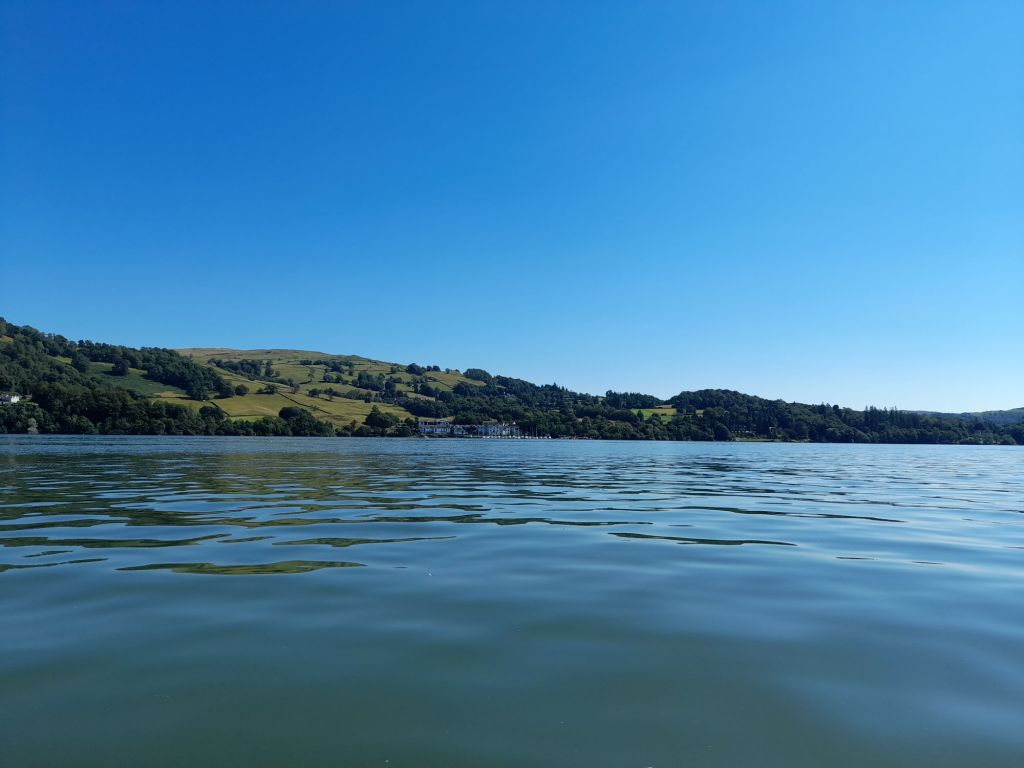
Lake Windermere Lake Windermere in the Lake District was acknowledged as being an area of high rainfall and it was noted that the rates of non-compliance there may be lower, but more persistent and substantial.
The dogged Save Windermere campaigner, Matt Staniek also commented that shareholders profits of water companies were prioritised over water health when he said,
“Windermere has been treated as an open sewer for far too long. England’s greatest natural asset has been repeatedly polluted while United Utilities prioritised shareholder returns over the long-term protection of the jewel in the crown of the Lake District National Park and UNESCO World Heritage Site. This report lays bare the scale of that failure.”
This report today adds fuel to the national debate around the ownership of the water industry with campaigners stating this represents a sector that is out of control, using illegal pollution to cover the tracks of underinvestment and the wrongful diversion of billpayers’ cash to shareholders.
-
Human-caused climate change driving global coral bleaching events
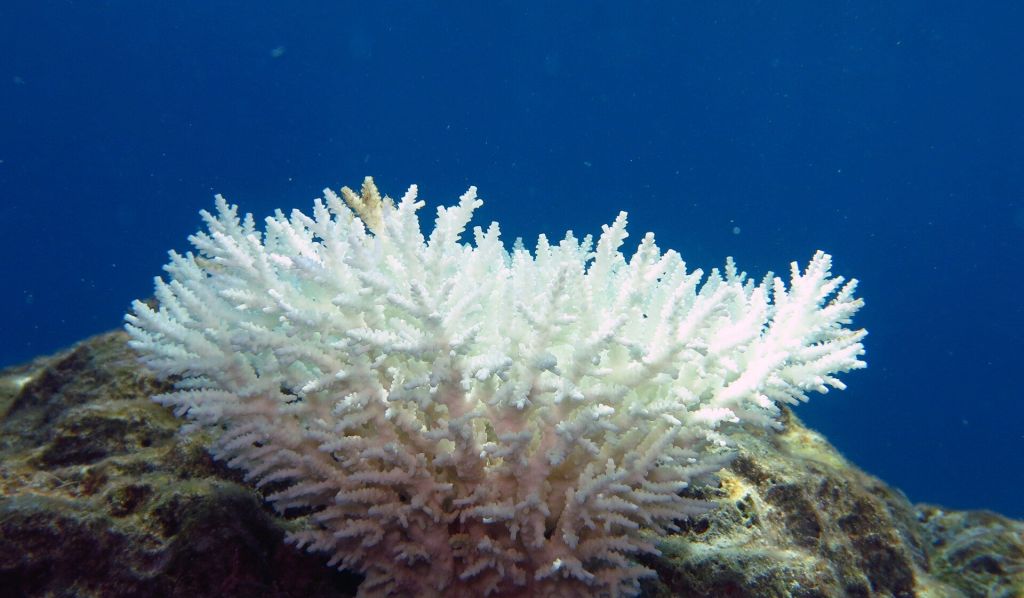
https://commons.wikimedia.org/wiki/File:Bleached_colony_of_Acropora_coral.jpg Human-caused climate change, not El Niño, is the driving force behind all global coral bleaching events, argues new research published today in Oceanography.
Over the past 40 years, the Climate Central- led paper found that human-caused climate change has been the main driver of coral bleaching risk.
The paper argued, ‘Four global mass coral bleaching events have now been recorded…
All these events also coincided with El Niños for at least part of the period. While El Niño is an important factor, each event has also
occurred during a period of rising global temperatures. Here, we use attribution of daily sea surface temperatures to show that the most recent global coral bleaching event is entirely due to human-caused warming.’
It further suggested that all global mass coral bleaching events of 1998, 2010,2015-2017, and 2018-2025 also had strong fingerprints of anthropogenic climate change.
‘Our analysis shows that global warming is the main driver of bleaching and that global coral bleaching simply would not occur without human-caused climate.’
Information released from Climate Central today was clear on the climate change influence on coral bleaching risk. ‘[F]ossil fuel-driven ocean heat is the fundamental force behind bleaching and coral mortality.’
Although coral reefs were praised in the report for their variety in different regions around the world, this simply emphasised the linked impacts of the destruction of the ecosystem.
‘Coral reefs are the most diverse marine ecosystems, housing approximately 32% of all named marine species.’
Threats to communities increase
Dr. Andrew Pershing, the paper’s lead author, spoke about the human impacts of coral loss, including threats to food security, economic losses tied to tourism, and the loss of a natural barrier that helps protect coastal communities from flooding and storm surge, when he commented,
“Our study shows that without climate change, coral bleaching would be a rare and isolated event, and global mass coral bleaching simply would not occur. Millions of people and entire countries rely on healthy coral reefs for livelihoods and food security. But our emissions of carbon pollution are causing increasingly widespread damage and death to these vital and vibrant ecosystems. Without immediate emissions reduction, coral reefs as we know them will disappear.”
Species and ecosystem loss
The analysis in the report was based on 100 ecoregions from the Marine Ecoregions of the world database but also bluntly warned of species loss and transformed ecosystems. ‘The International Union for Conservation of Nature (IUCN) has documented that 1,008 species have gone extinct since 1600, most due to human activities (IUCN, 2025). Continued emissions and additional warming raise the potential that human actions may soon eliminate coral reef ecosystems as we know them from the planet.’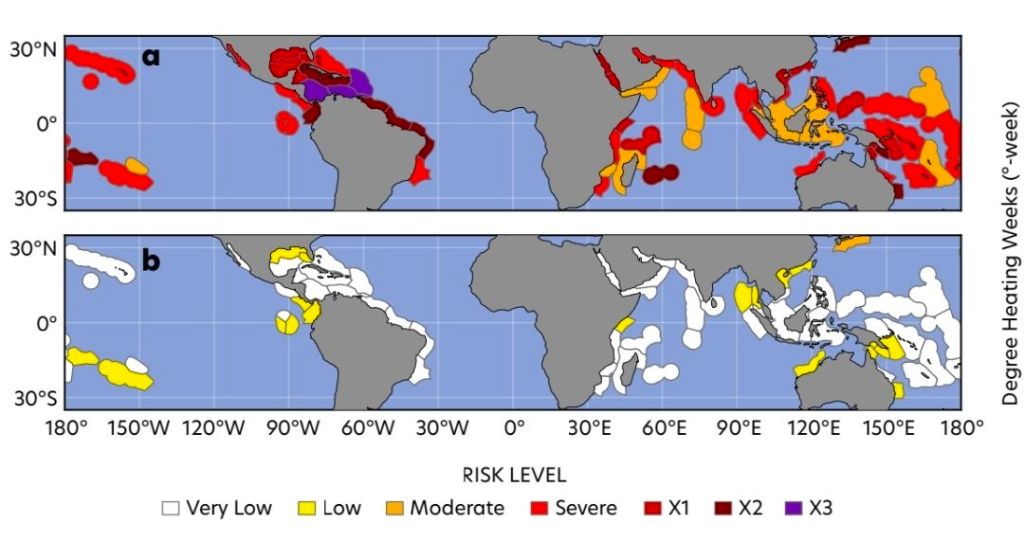
Extremes not averages
The warming ocean temperatures are raising concerns about the health of The Great Barrier Reef. In the publication ‘Oceangraphic’, on 21st July, warnings were given about the ‘very high risk of extreme and widespread bleaching and “ecosystem collapse’ to The Great Barrier Reef.
Localised temperatures rather than global averages were focused on as being crucial by UNSW Professor Alex Sen Gupta, an expert in marine heatwaves. He warned, ‘While the high global average gives us a very broad picture, a coral really only cares about the temperature at its own reef.’ He raised concerns about the perception between coral cover and the health of the coral community, saying, ‘The headline figure can be high coral cover, while the underlying coral community itself has degraded substantially.’70-90% coral extinction by 2050?
Scientists have already warned that 70% to 90% of coral reefs could be functionally extinct by 2050.
The Intergovernmental Panel on Climate Change (IPCC) projects that even a 1.5° C increase will lead to a 70% to 90% decline, while a 2.0° C rise would result in a 99% decline in global reef systems.
With the current global average temperature at 1.3-1.4°C above pre-industrial levels, we could be entering a world where global mass bleaching of corals will happen and humans will be responsible.
-
Dangerously high levels of pollution found in ‘Robin Hood’ river
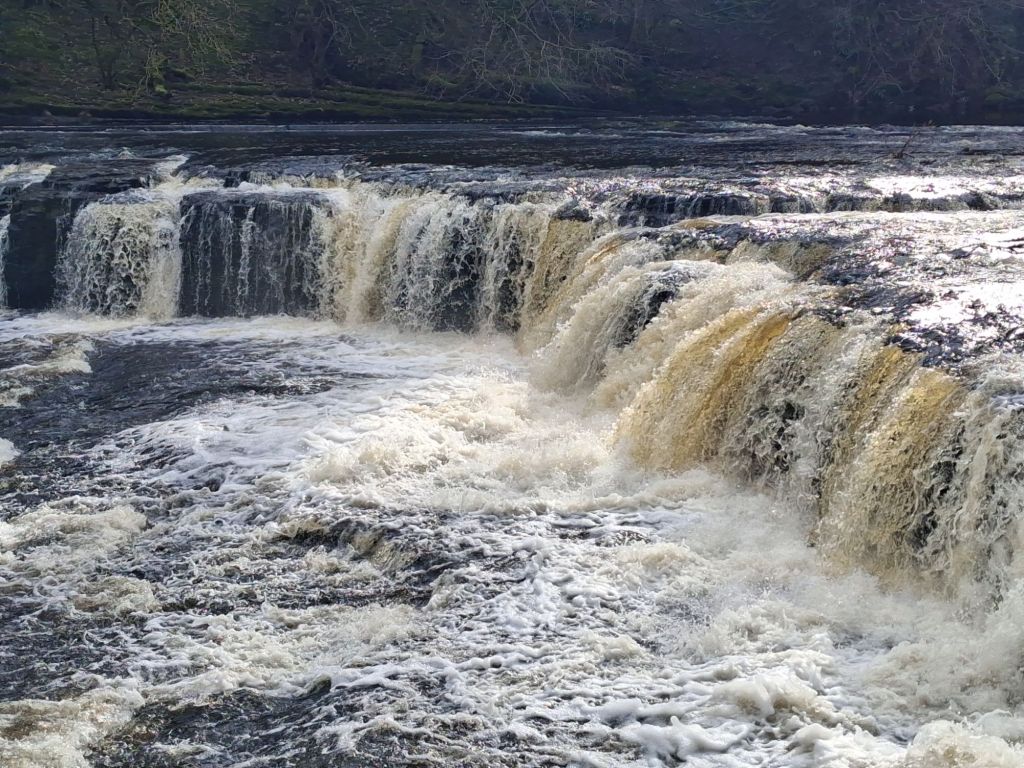
Aysgarth Falls The Aysgarth waterfalls in the River Ure, Yorkshire, made famous in Kevin Costner’s ‘Robin Hood: Prince of Thieves’ film, are now sadly becoming infamous owing to consistently high levels of pollution.
Dangerously high levels of the bacterium which causes Legionnaire’s disease were found at Hawes- deep in the Yorkshire Dales- recently, when a comparison study for the campaign group Stop Ure Pollution (SUP) was carried out on the Rivers Ure, Wye and Thames.
Another bacterium found at Hawes was described as a serious pathogen by the UK based biotechnology company, Molendotech, which carried out the comparison. The company analysed water samples from two sites on the River Thames, one on the River Wye and one on the River Ure using environmental DNA (eDNA) testing. Only those from the Ure were described by the company as of the highest clinical concern.
A wake-up call is needed
Richard Loukota, Chairman of Stop Ure Pollution, said: ‘The [test] results should be a wake-up call. The River Ure has performed worse than the River Wye, which is widely regarded as one of Britain’s most environmentally damaged rivers, and worse than the Thames despite its far larger population.
‘It is time for every organisation with direct or indirect responsibility for the river; the Yorkshire Dales National Park Authority, the Environment Agency, Yorkshire Water, farmers, agricultural contractors, landowners and Local Authorities to acknowledge the scale of the problem and work together to stop pollutants entering the river.’
And SUP’s vice chairman Toby Milbank commented: ‘The Environment Agency’s “advice-led” approach has run its course and has been largely ineffective in protecting England’s rivers. The Farming Rules for Water must be properly enforced, illegal slurry spreading of organic manures is a criminal offence but the number of prosecutions in the River Wye catchment, Thames and the River Ure Catchment combined, is currently zero.
In addition, 1,797 sewage overflow events should never be regarded as acceptable. Only by tackling agricultural runoff, improving sewage treatment infrastructure and restoring natural river buffer zones will we begin to return the River Ure to good ecological health.’
The River Wye has become the national symbol of river decline after years of ecological damage caused primarily by agricultural runoff and sewage pollution. Yet the River Ure sample contained E. coli levels of 3,700 CFU/100mL—almost twice those recorded in the River Wye and more than five times the level found at Henley on the River Thames, despite the Thames serving a vastly larger population.
The River Ure sample also contained elevated levels of Legionella pneumophila and Pseudomonas aeruginosa, together with extremely high enterococci counts, all recognised indicators of significant faecal contamination and poor water quality. The findings reinforce Stop Ure Pollution’s weekly monitoring at Aysgarth Falls and Ulshaw Bridge.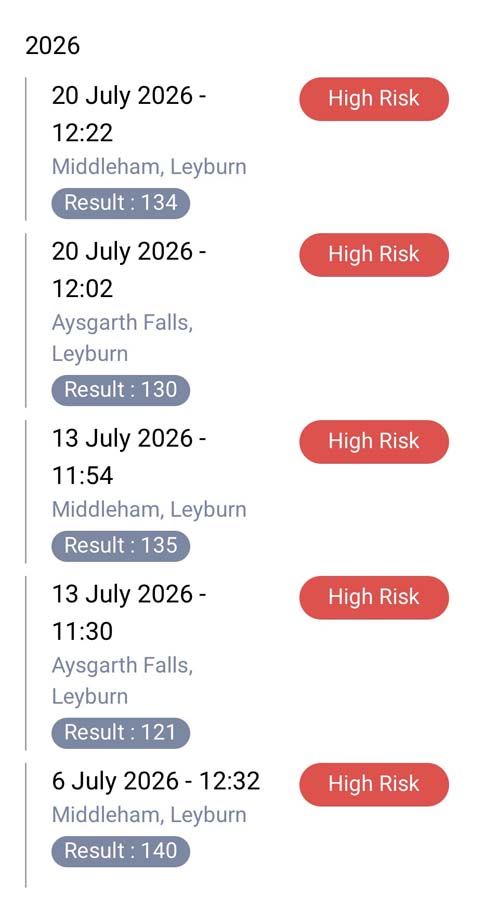
Campaigners believe that the evidence points towards a combination of diffuse agricultural pollution, particularly slurry and manure entering watercourses, together with untreated sewage released from wastewater treatment works and storm overflows. During the winter, volunteers recorded and reported 192 acres of alleged illegal slurry spreading to the Environment Agency, while Yorkshire Water’s 18 sewage treatment works in the River Ure catchment recorded 1,797 sewage overflow events lasting a combined 4,215 hours during 2025, combined, this is a total of over 175 days of untreated sewage entering the River Ure.
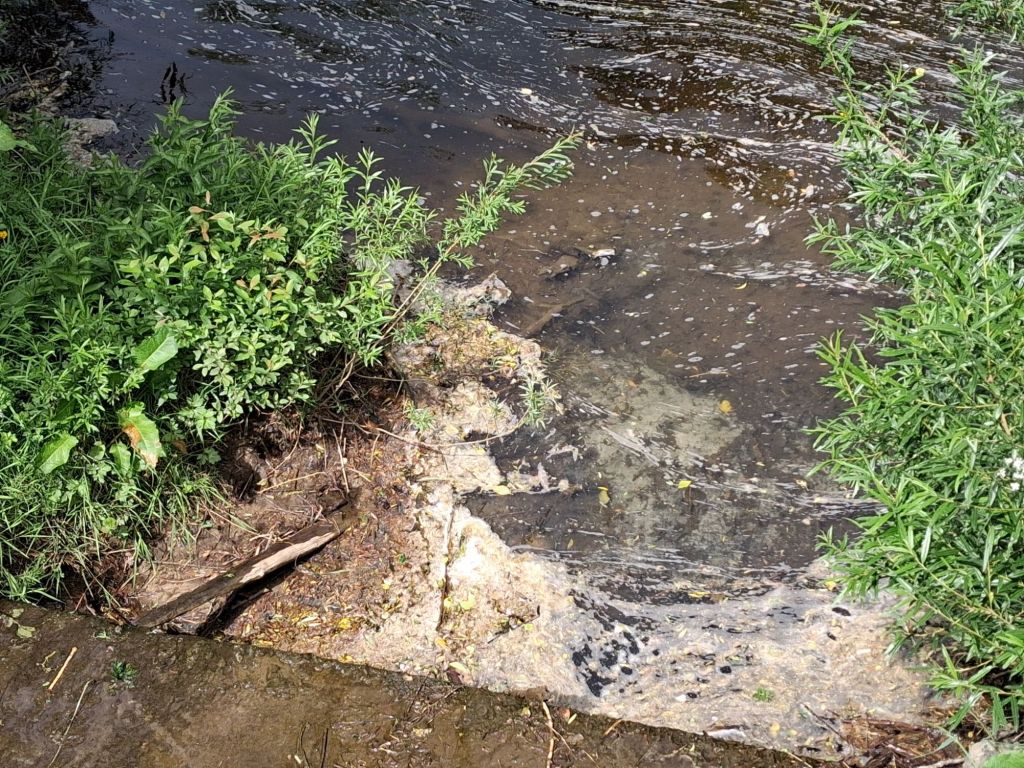
Sewage in the River Ure ‘Persistent, concerning’ levels of pollution
These findings come at the end of a torrid year for pollution in the River Ure.
Stop Ure Pollution campaigners have completed a full year of weekly water quality monitoring at Aysgarth Falls on the River Ure, revealing persistent and concerning levels of bacterial pollution at one of Yorkshire’s most popular inland bathing locations.
Between June 2025 and June 2026, volunteers carried out weekly testing using the Bactiquick bacterial endotoxin testing system, producing what is believed to be one of the most comprehensive independent datasets collected on the River Ure. The results indicate that almost nine out of every ten weekly samples (88.2%) fell into the “High Risk” category, with only 2.9% of samples indicating low risk.
Stop Ure Pollution is now urging swimmers, paddleboarders, kayakers, canoeists, anglers, dog walkers and anyone entering the river to exercise caution, by using signs like the one below.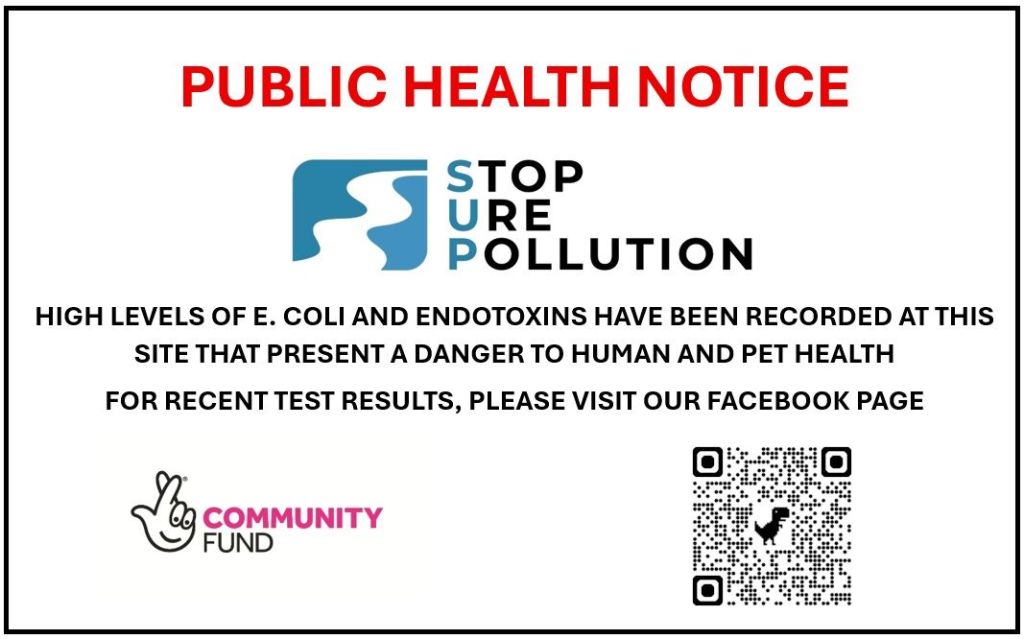
A river under continual pressure
Early evidence suggests that the most likely causes of the bacterial pollution are a combination of diffuse agricultural pollution from organic manures, slurry and farmyard manure, together with contamination arising from untreated sewage discharges from waste treatment works.
During the 2025/26 winter spreading season SUP volunteers recorded and reported to the Environment Agency what appeared to be illegal slurry spreading on 192 acres of farmland. It is illegal to spread slurry on waterlogged, frozen ground, within 10 metres of a watercourse, or without agronomic justification. The organisation says the Environment Agency has indicated it is preparing for further monitoring and enforcement activity during the coming winter.
Richard Loukota, Chairman of Stop Ure Pollution, concluded,
“After testing the River Ure weekly for the past year at two locations, the extent of the pollution has become abundantly clear. These are not isolated incidents or one-off pollution events—they point towards a river under continual pressure from multiple sources. We believe the long-term solution is equally clear. Illegal slurry spreading must be eliminated through a combination of common sense backed up by stronger monitoring and enforcement. Yorkshire Water must continue investing in its sewage treatment infrastructure to reduce spills. Farmers should be supported in fencing livestock away from riverbanks and establishing wide natural buffer strips that filter pollutants before they reach the river.
“Only by tackling agricultural runoff and sewage pollution together will we begin to restore the River Ure to the healthy river that local communities, wildlife and visitors deserve.”The River Ure and the Aysgarth Falls, instead of being a tourist attraction, may run the risk of being known as a pollution hot-spot and to be avoided, negatively impacting the local economy, reliant on tourism.
-
Outrage from Leeds residents as planning is approved for new Microsoft Datacentres

Proposed site Almost 7,000 people have now signed a petition against a Microsoft datacentre in Leeds.
The petition states that ‘This proposed megasite, which has already been given conditional planning approval, would consist of giant warehouses full of tens of thousands of AI computer chips running constantlyto power Microsoft’s AI systems.
There is overwhelming evidence that this site would pose a risk to the health and wellbeing of local residents, and the surrounding environment.’
The petition also argues that, ‘Cooling the chips would require thousands of litres of water every time the outside temperatures rise above 29 degrees – which will happen increasingly often as the climate crisis accelerates, particularly as datacentres contribute to the climate crisis.’
‘Fatally flawed’
The Guardian newspaper today reported that the UK will not have enough water for future datacentres, quoting a Water UK briefing report which described Government targets as being ‘fatally flawed’ for: assuming that business water demand will fall; for a lack of understanding that water companies are being required to plan on the basis of demand and leakage targets not forecasts; misjudgements about the balance of risk and infrastructure needs and a lack of information on data centre water use.
The briefing was stark in its analysis when it noted, ‘Current estimates suggest that data centres’ water use globally is likely to more than double by 2050 from 2025 levels.’
Furthermore, the briefing highlighted that, ‘Data centres currently use approximately 6.6 million litres of water per day. It is equivalent to the water used by 20,000 average homes. With the government’s ambition to treble data centre capacity by 2030, this could increase to 19.8 million litres, equivalent to 60,000 homes.’
Lianne Marie Mease, lead representative of the No Leeds Datacentres campaign said,
“A development which proposes such significant impacts to Leeds and the surrounding areas should have a proportional approach to community consultation. Putting up developer signs outside a power station which has been decommissioned since 1994 simply isn’t good enough.”
The campaign group is concerned that the planning decision reflects insufficient scrutiny of the project’s impacts on
– water and power consumption
– noise, light and air pollution
– disposal of foul water and waste heat
– surveillance and security changes
– climate change.
Communities are being drowned out
Owen Espley, Campaign Manager at Global Action Plan commented:“The UK Government is letting Big Tech build more and more of its resource-hungry data centres up and down the country, contradicting community wishes and putting local people at risk of power cuts and droughts.”
He continued, “Communities are fighting to have their concerns about AI data centres heard but are being drowned out by Big Tech lobbyists who hold the ear of government.
The government must act urgently to put the brakes on AI data centre expansion by joining a growing number of global cities in declaring a moratorium on new AI data centres until ministers can produce a credible plan for how many we need, where and what for, and how environmental and social harm will be addressed.”

-
Subscribe
Subscribed
Have a WordPress.com account? Log in now.


