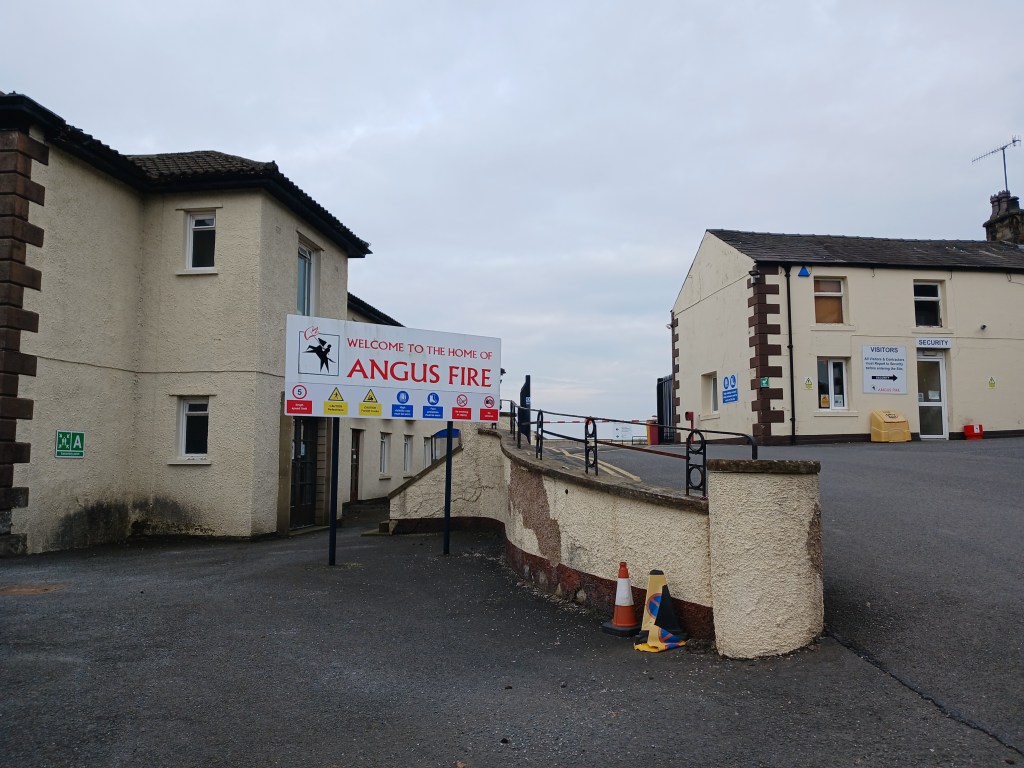
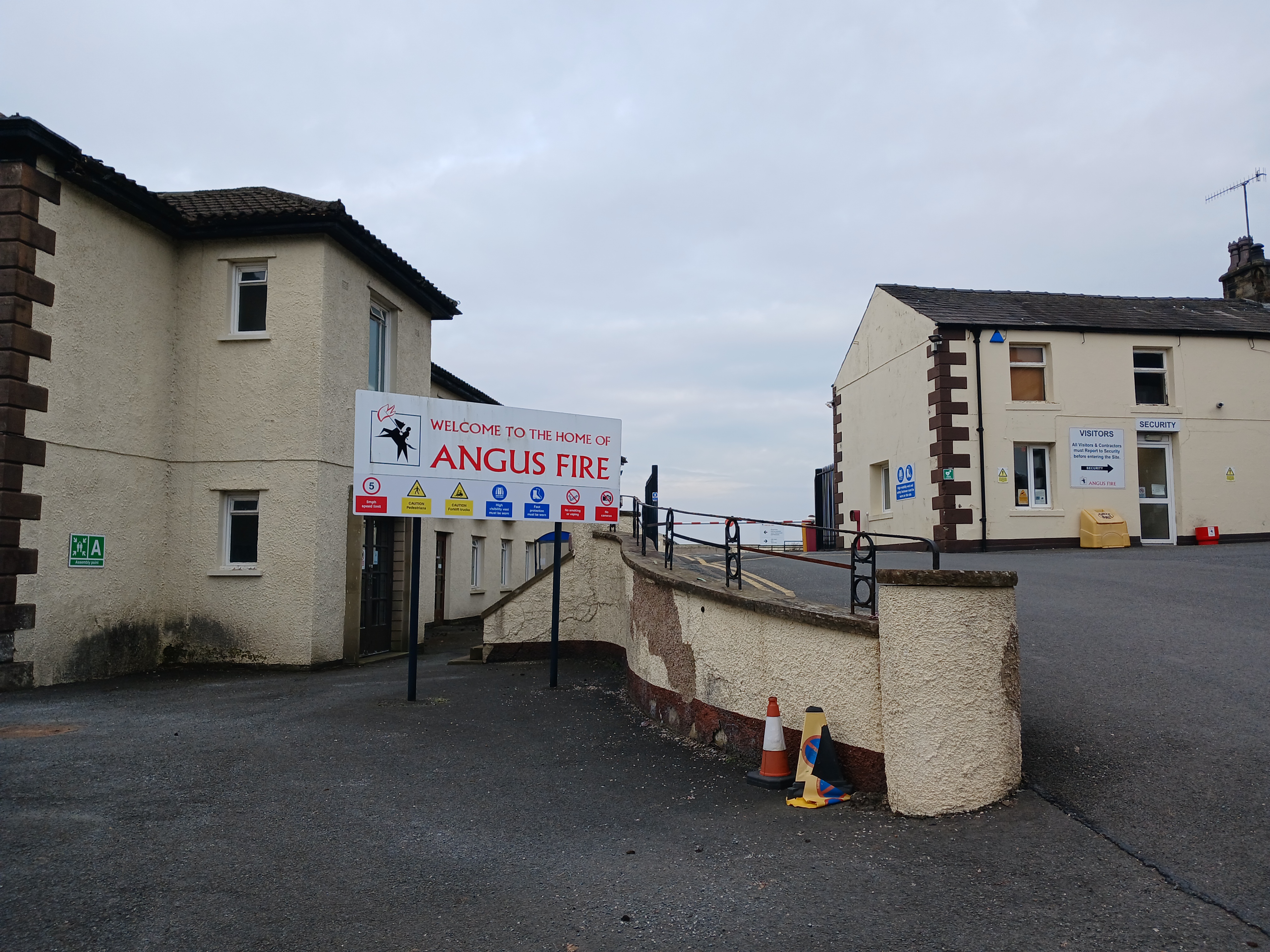
Almost four months ago, ITV released their documentary on high PFAS levels in the blood of some Bentham residents. Bentham, once dubbed ‘the most PFAS polluted town in the UK, has been in the spotlight for several years now, as investigations revealed incredibly high levels of PFAS chemicals in the groundwater of their wastewater lagoons.
Angus Fire did not respond directly to this investigation at the time, but have provided community information to Bentham Town Council in April saying, ‘Angus Fire recognises the importance of the PFAS issue to the local community. We do not believe, however, that the documentary presented an accurate reflection of the situation in Bentham. In particular, it was disappointing that anecdotal accounts and speculation were broadcast as fact by ITV and that material known to producers to be out of date and incorrect, was presented.’ They continued in this tone, stating, ‘We believe that any public communications on the matter must be grounded in established facts and objective science. We are all aware that idle speculation can result in unnecessary worry, which is why Angus Fire has been clear in taking a science-led approach to our communication with all stakeholders…’
Council says no proven cancer link has been established
The North Yorkshire Council website has given more information about the potential public health harm of PFAS contamination stating, ‘There is currently no evidence that cancer rates for High Bentham, which are above the national average, may be connected to PFAS. While the number of people with cancer registered at Bentham Medical Practice, and the number of new cancer diagnoses per year, is higher than the England average according to national data, this does not take into account the age profile of people living in Bentham, which is older than the national average.’
It did caveat this lack of direct evidence again, when it noted, ‘Looking at cancer rates alone cannot identify why cases may be increased or decreased, and the rates of cancer shown on this page refer to all cancers, not just those potentially related to PFAS, which could demonstrate a different pattern. ‘
Environment Agency approves PFAS treatment permit
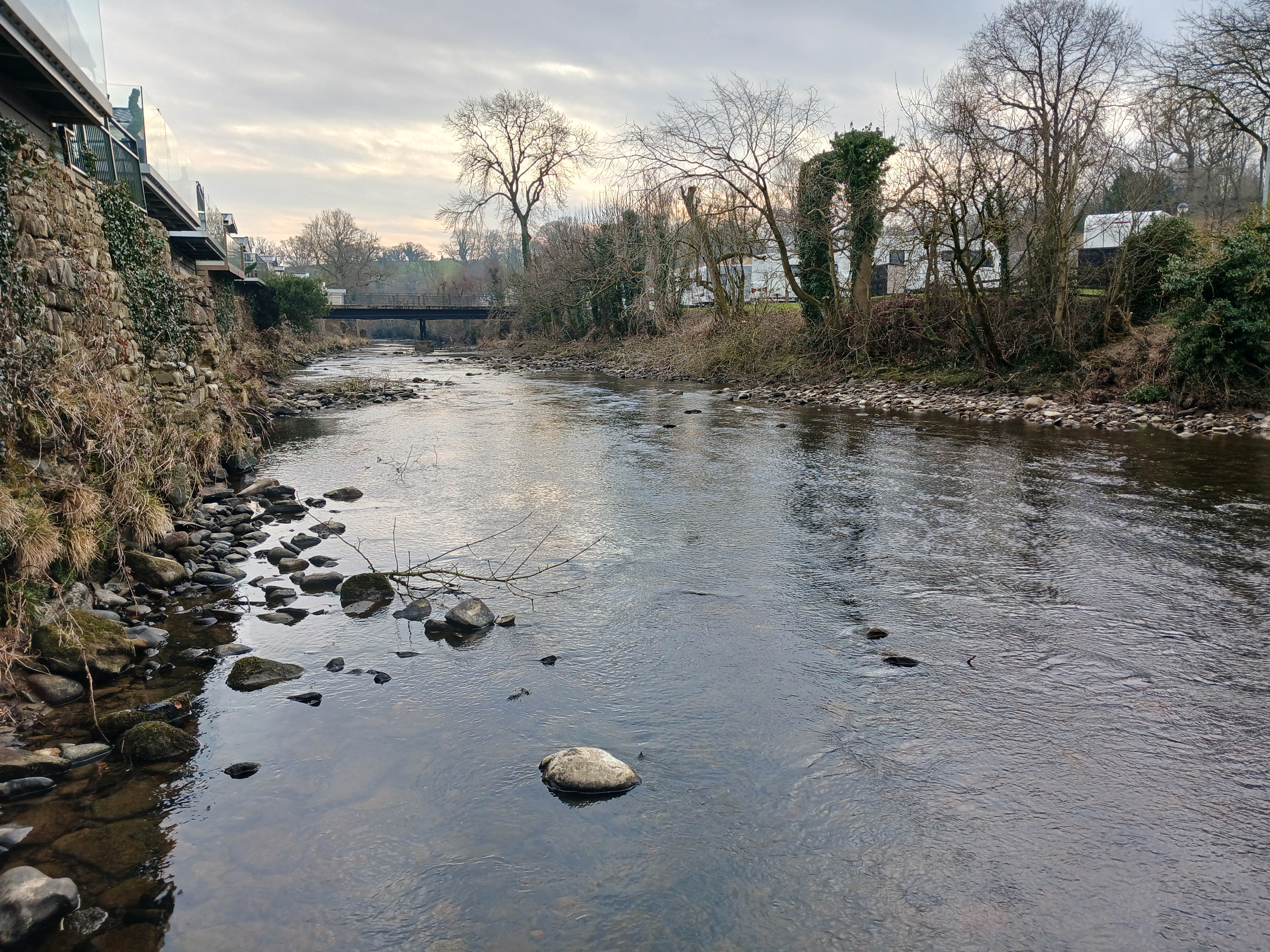
Angus Fire has now been granted a permit variation from the Environment Agency for an effluent treatment plant to reduce the PFAS in the collected rainwater of an estimated 7,500,000 litres, as well as future rainwater which falls onto the site. The Environment Agency information continues, ‘Angus Fire has been collecting this rainwater so it can be treated to reduce the PFAS substances. Once treated at the effluent plant, the rainwater will be discharged to the River Wenning. The level of PFAS remaining in the treated rainwater discharged into the river will be in line with levels currently accepted as best practice for PFAS treatment processes. The operator no longer manufactures firefighting foam at its High Bentham site. The application is to treat rainwater to reduce PFAS chemicals from the site’s previous manufacturing processes.’
However, campaigners from Cleaner Bentham remain unsatisfied with the levels of transparency and rigour which they perceive coming from the Environment Agency. Mat Young of Cleaner Bentham told me, ‘Angus has been given their permit, however we believe this was given prematurely and are looking into whether the Environment Agency/Angus’s conducted tests on the 48 chemicals required by the DWI were tested for.’ He highlighted that the River Lune was a protected drinking water source and had concerns about whether the Environment Agency had bowed to external pressure. He added, ‘The Environment agency is not willing to sit with residents and Bentham Town Council in an MDC committee and have not responded to another public meeting request with the residents.’
Calls for greater transparency over scientific reports
Bentham Town Council have recently actioned a request for the report conducted by Dr P Byrne of Liverpool John Moor University, which was completed in December 2025, which is believed to be held by Angus Fire and referenced by them in April 2026. Mat Young also highlighted the slow process taken by Angus Fire in revealing pertinent information, noting the ‘ongoing’ nature of their investigations, which were first revealed in May 2024.
‘Our independent environmental consultants have conducted investigative work of the soil and groundwater at the Bentham site. This work is ongoing but already shows that PFAS has contaminated soil in six localised areas on the site, with the majority contained within the top two metres of soil. ‘
Further site investigations continue
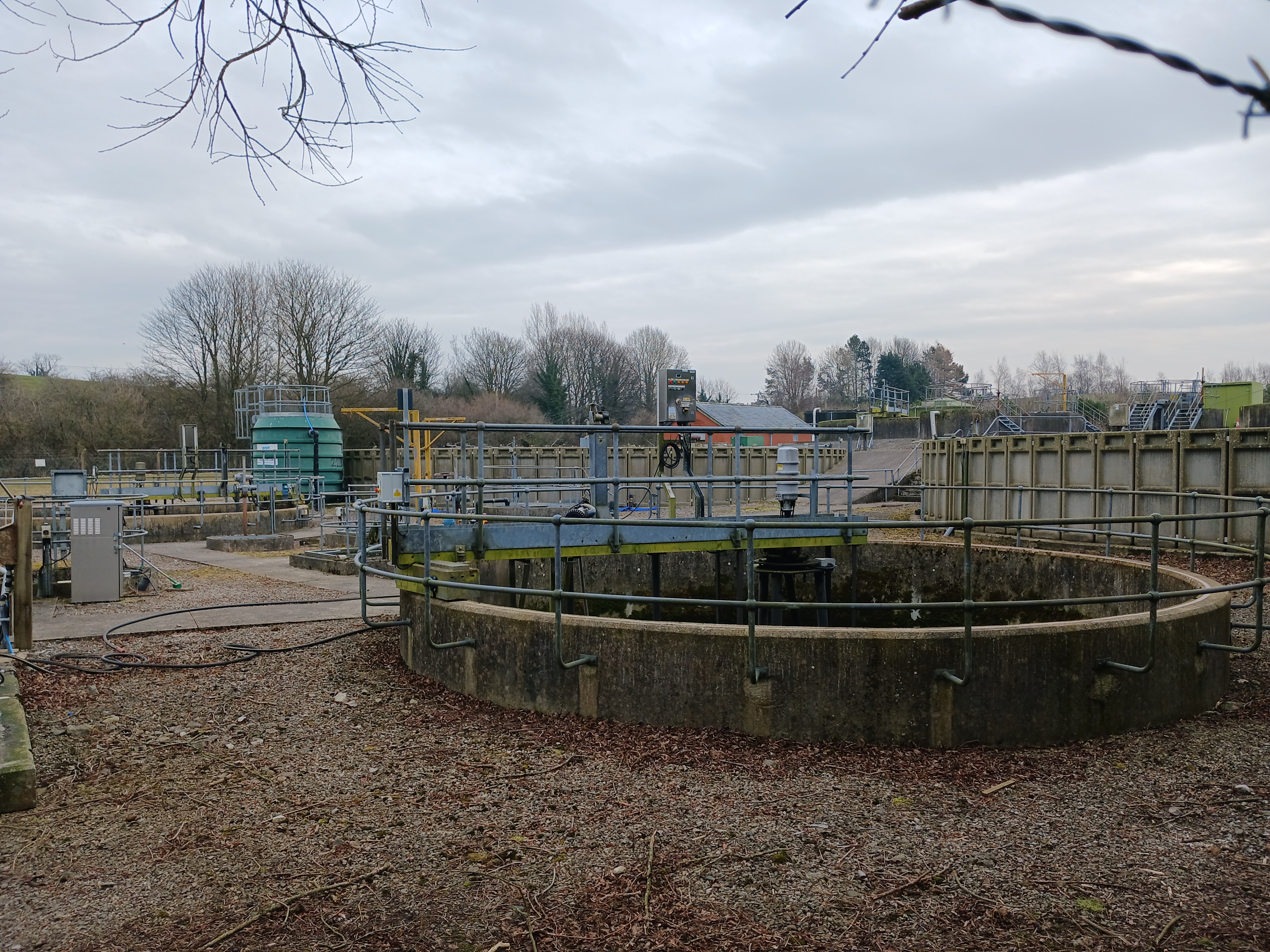
Angus Fire repeated their pledge to continue investigatory work on legacy PFAS on the site when they noted on their community microsite in June 2026; ‘independent consultants and their specialist contractors are conducting extensive deeper drilling and soil investigations across the site. This work has been underway for the past five weeks and will continue for at least another week.
Additional deep groundwater investigations will follow in July and August, with all samples sent to a third-party laboratory for PFAS testing and analysis. The new boreholes will be capped and used as monitoring wells for future sampling…Once completed, independent consultants will present their investigative findings together with their proposals for any additional corrective actions and/or remediation to the Environment Agency and other UK regulatory bodies.’
At least another month of ‘logistically challenging’ investigation work still to be completed by Angus Fire before the samples are sent to a third-party, who will need time themselves to analyse and evaluate the samples. All this time, the people of Bentham are still waiting for answers on the extent of the PFAS contamination of their town.

