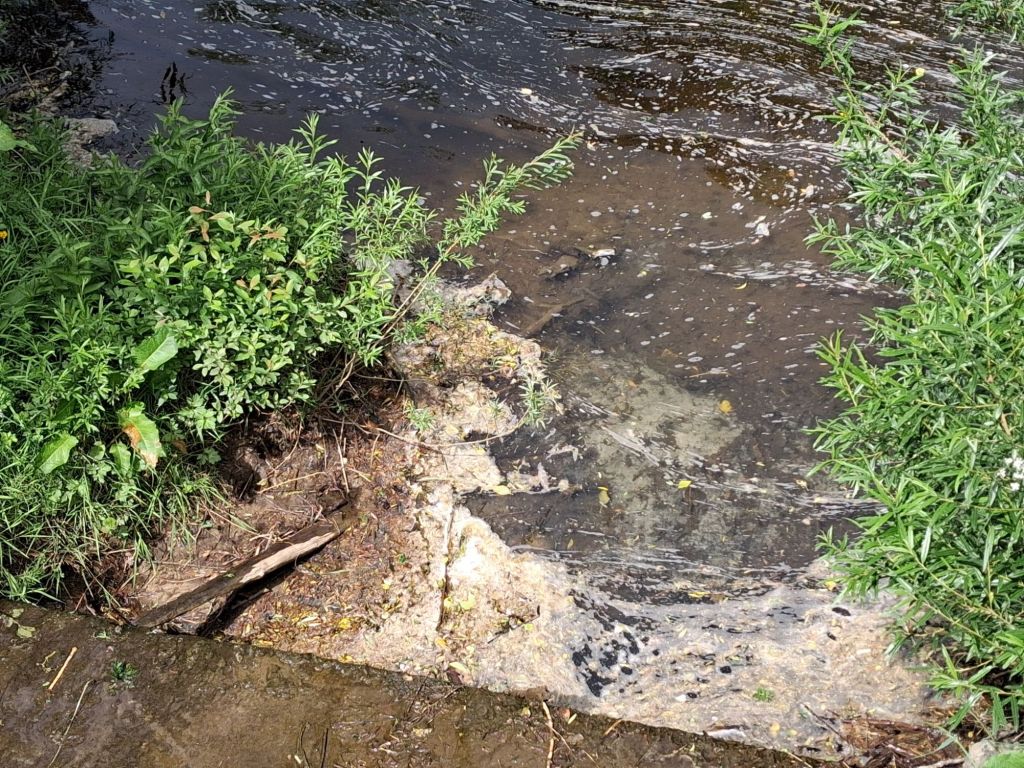
A major new analysis by sewage pollution expert Peter Hammond has found that between 80% and 90% of untreated sewage discharge across Britain is non-compliant with the Environment Agency’s own “heavy rainfall” methodology.
The report, published by Windrush Against Sewage Pollution (WASP), analysed 482 storm overflows serving the equivalent of 39.3 million people across England, Scotland and Wales.
It concludes that the overwhelming majority of untreated sewage discharges would fail the Environment Agency’s own test for determining whether spills occurred during genuinely exceptional rainfall. It used a methodology and test which defined the level of rainfall necessary for a spill to be considered lawful and found widespread non-compliance across every major water company.
Current regulatory assessments largely rely on identifying “dry day spills”, where sewage is discharged after little or no rainfall. However, the report argues this approach captures only a small proportion of unlawful spills.
Peter Hammond, Windrush Against Sewage Pollution said, “The Environment Agency successfully relied upon this methodology during the Southern Water prosecution, where it was accepted by the court as a robust way of determining whether untreated sewage discharges were lawful. If it is robust enough to prosecute one water company, it should be applied consistently across the entire industry.”
As Ofwat has previously cited WASP’s illegal sewage discharge analysis in 5 of 7 enforcement actions against water companies in 2025 and 2026, this new report appears to meet the same rigorous standards as before.
The report highlighted the failings of Thames Water particularly, stating, ‘All spills from 18 Thames Water sewage treatment works serving 7 million people were found to be non-compliant in 2025.
Across 64 Thames Water treatment works serving approximately 16 million people, noncompliance reached 95.5%.’
On a wider national scale, the report found that failings were not limited to Thames Water alone, but that ‘Between 80% and 90% of annual untreated sewage discharge hours analysed were noncompliant in 2024 and 2025 across all water companies.’
Thames Water has come under the spotlight lately, as 10 million customers face a hosepipe ban, while senior managers have received increased bonus payments of over £4 million. This comes at the same time as the company faces nationalisation and indeed has attempted to offer the government a ‘golden share’ to try and reduce this risk. Hosepipe bans are increasing around the country, while water companies and parent companies profit.
‘Profiting from the proceeds of crime’
Ash Smith, Founder, Windrush Against Sewage Pollution, while continuing to push for increased numbers for the petition for nationalisation of water companies, was scathing in his view of the water industry.
“It is clear that the water industry is profiting from the proceeds of crime – criminal pollution is demonstrably deeply and profitably embedded in its business model and this new report to the Secretary of State warrants an investigation that goes way beyond just holding the water companies accountable but also scrutiny of the Environment Agency and Defra, both of which appear to have been essential partners in allowing this behaviour to flourish nationally.”
National findings
These findings were not just limited to water companies in England. ‘In 2024, the non-compliance of 64 overflows analysed in Wales was similar to that in England.’ Scotland also did not escape scrutiny, ‘Non-compliance for Scottish Water (26 STWs; 2 CSOs) and 8 PFI operated STWs, serving 3 million, was 87% in 2024 across all 36 overflows and 88% in 2025 for Scottish Water.’

With systemic non-compliance of water companies, the report also analysed areas of the country known for differing amounts of rainfall, to examine if there were any grounds for legally permitted spills.
Lake Windermere: ‘An open sewer for too long.’
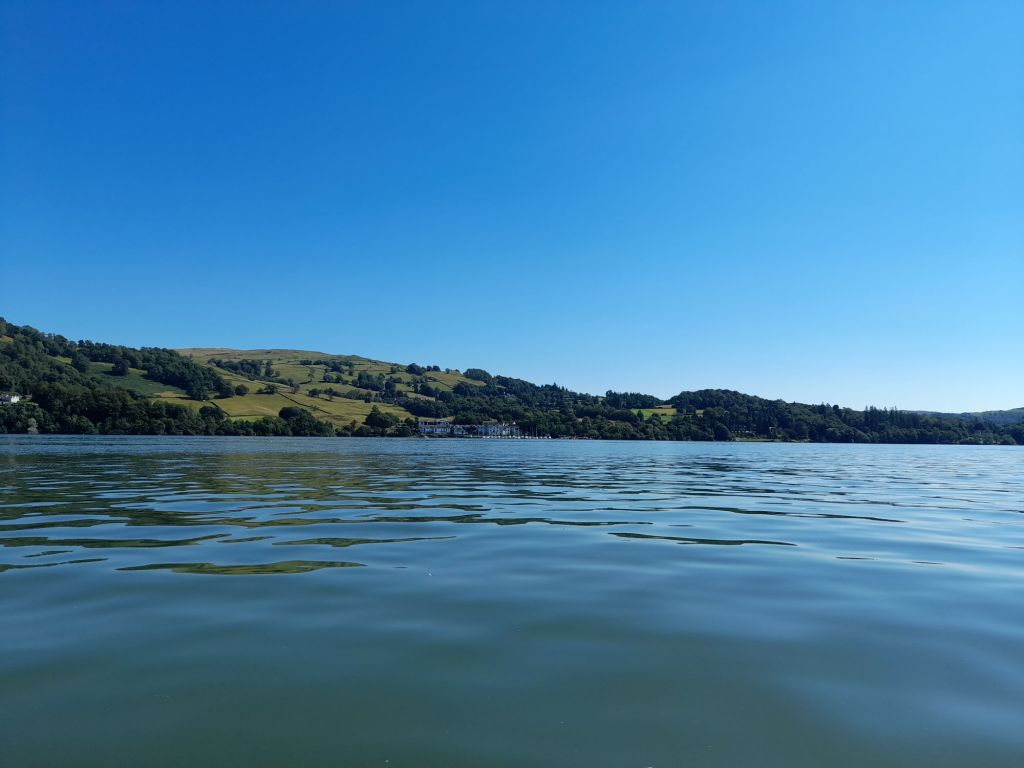
Lake Windermere in the Lake District was acknowledged as being an area of high rainfall and it was noted that the rates of non-compliance there may be lower, but more persistent and substantial.
The dogged Save Windermere campaigner, Matt Staniek also commented that shareholders profits of water companies were prioritised over water health when he said,
“Windermere has been treated as an open sewer for far too long. England’s greatest natural asset has been repeatedly polluted while United Utilities prioritised shareholder returns over the long-term protection of the jewel in the crown of the Lake District National Park and UNESCO World Heritage Site. This report lays bare the scale of that failure.”
This report today adds fuel to the national debate around the ownership of the water industry with campaigners stating this represents a sector that is out of control, using illegal pollution to cover the tracks of underinvestment and the wrongful diversion of billpayers’ cash to shareholders.
 Climate Thoughts with Brian