Repair culture proving popular against rising consumerism
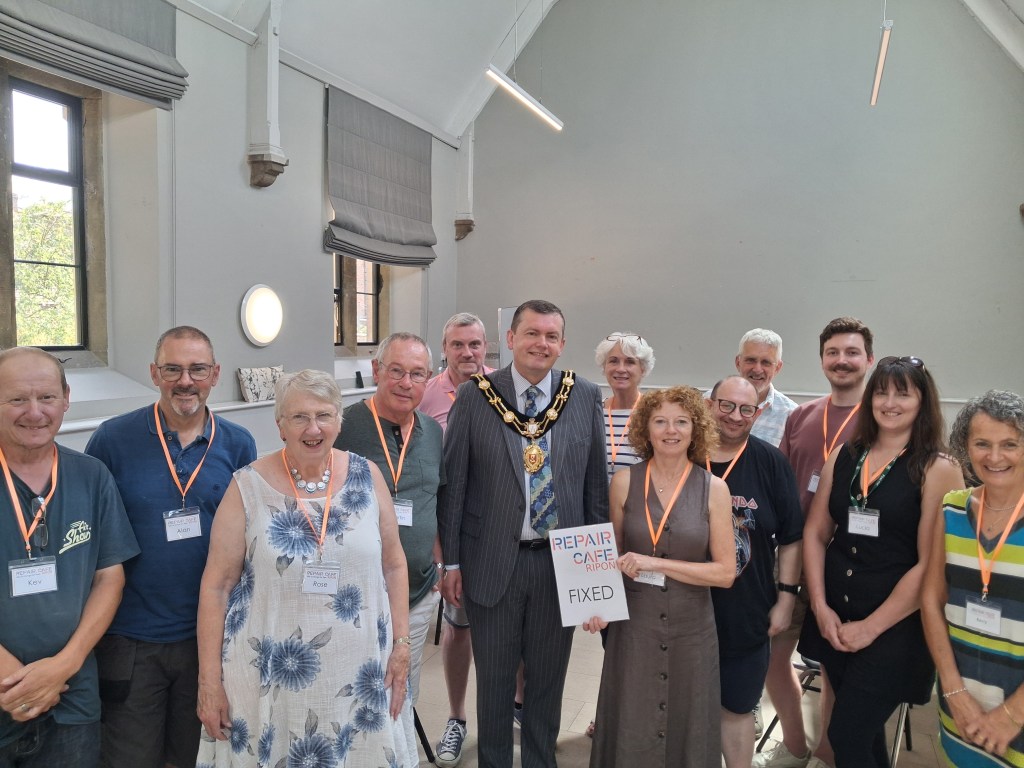
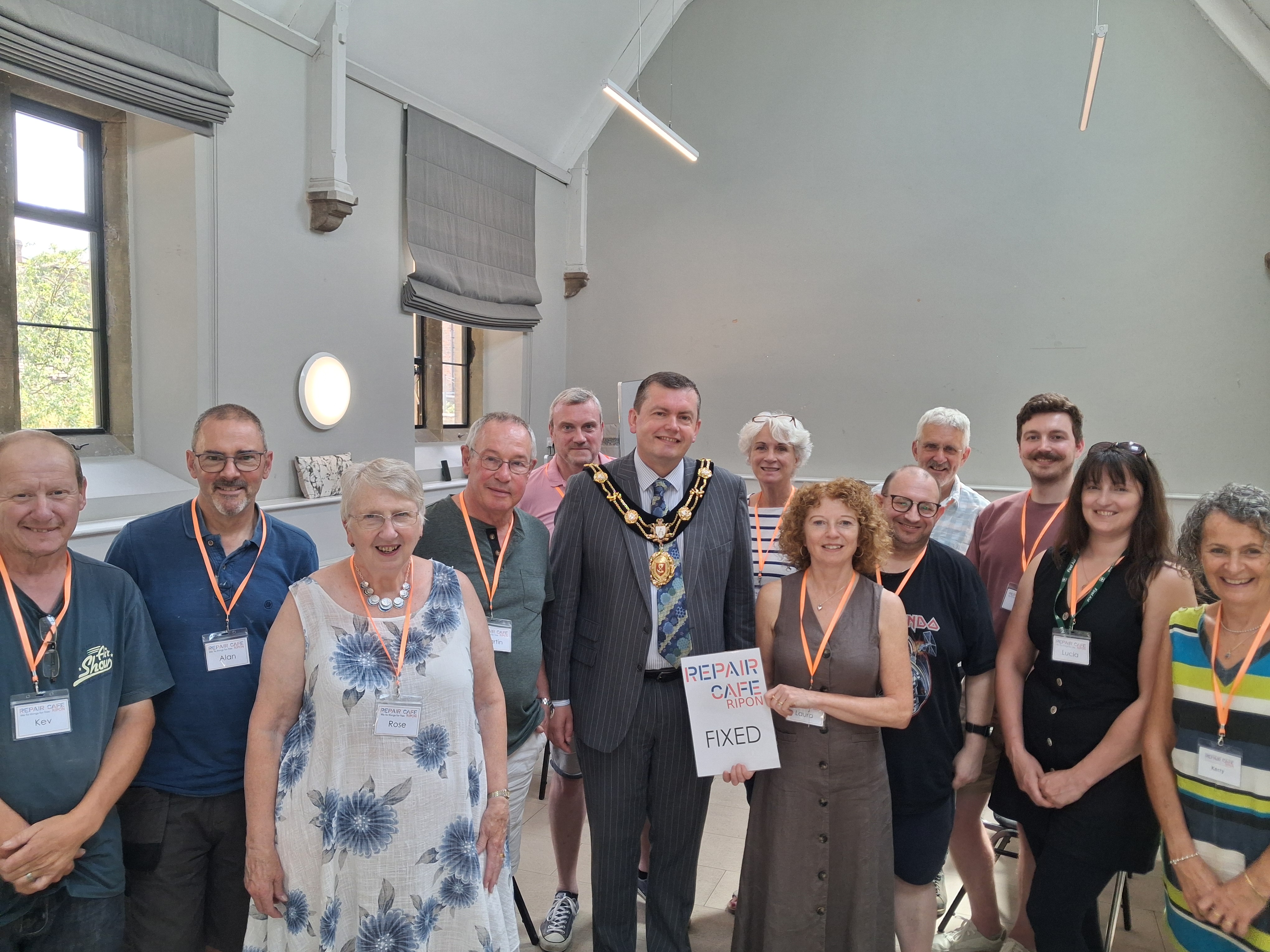
Ripon Repair Café opened its doors once again this Saturday (11th July) to mark the first anniversary of beginning their repair journey in 2025.
Sue Griffin, an organiser for the local repair team said, ‘In the first year of the repair café, we have saved a lot of items from landfill and also importantly helped people to hold onto treasured items that it would otherwise be very difficult to have repaired.’ They continued ‘We have seen 195 items and have repaired 111 items. We manage to repair 59% of the items that come to us and sometimes we are able to direct people to other places where they may be able to get things repaired.’
This internal repair rate of 59% is truly remarkable and a real testament to the army of volunteers and repairers who use their skills to lovingly bring items back to life. Griffin added, ‘There has been a real sense of purpose and camaraderie among the Repair café team. We are like minded people working to make this a success and to help people keep their things and to reduce waste in society. We all enjoy what we do and hope to continue this for many more years.’
National growth of repair cafés
There are now approximately 800 repair cafés in the UK, with the list increasing every year. This is a real testament to the growth of the popularity of refusing to throw out household items and instead seeking free repairs as an alternative. At the end of March this year, the third annual Parliamentary Repair Café took place at the House of Commons. Over 100 community groups and 90 MPs gathered to advocate for a UK “Right to Repair” and promote the government’s upcoming Circular Economy. The UK Repair and Reuse Declaration, which calls for a circular economy, was signed during the event by dozens of MPs. ‘Repair and reuse are central to achieving a truly circular, less wasteful economy. They help to tackle climate change and achieve our net zero ambition, reducing living costs for UK households and create green skilled jobs.’
The Declaration continued to focus on the need to move away from single-use goods and strongly pointed the finger at manufacturers who used ‘planned obsolescence’ to maximise profits. ‘Together we are responding to increasing public demand for repair services and skills, we’re advocating for a return to a strong UK fixing economy and we’re championing reuse to give products a second life. We are working towards the future we all need- a future where repair is a thriving sector of our economy. Where products are designed to be durable and easily reparable by default and in which manufacturers actively support their products for as long as possible.’
Information released last year by the National Lottery Community Fund suggested that brand new clothing is regularly binned by UK consumers, for simple reasons such as a missing button, as they lack the repair skills needed to restore them.
‘An estimated 1.4 billion items of clothing are thrown away by UK adults each year according to new research. This is concerning as the fashion industry is one of the most polluting sectors and uses vast amounts of water – 215 trillion litres annually, equivalent to 86 million Olympic-sized swimming pools and relies on thousands of chemicals, many of them harmful.
Reasons for binning clothes included lack of skills to repair or alter them – more than a quarter lack confidence in basic sewing such as putting on a button and 44% aren’t confident stitching up a hem. Community repair cafés and groups such as those funded by The National Lottery Community Fund can help to cut clothes waste, save money and connect communities, boosting both sustainability and mental health.’
Repairing items- building communities
Back in Ripon, North Yorkshire, these skills have not been forgotten. The Mayor of Ripon, Andrew Williams, praised the efforts of volunteers, repairers and the organising team when he said, ‘I’m delighted that the café is celebrating its first birthday. It’s great that we are able, through a group of volunteers, to see items that would otherwise be going into landfill, actually being brought back into purposeful life, which is great. It is also helpful that in a cost of living crisis that people who are struggling with their household budgets are managing to get items repaired, which they wouldn’t otherwise have got repaired and I think that’s very helpful as well.’
He continued, ‘I think that this is clearly part of the growing supportive community that exists around Ripon where people are volunteering and working together and building a stronger, brighter community, which is what we all want to see.’
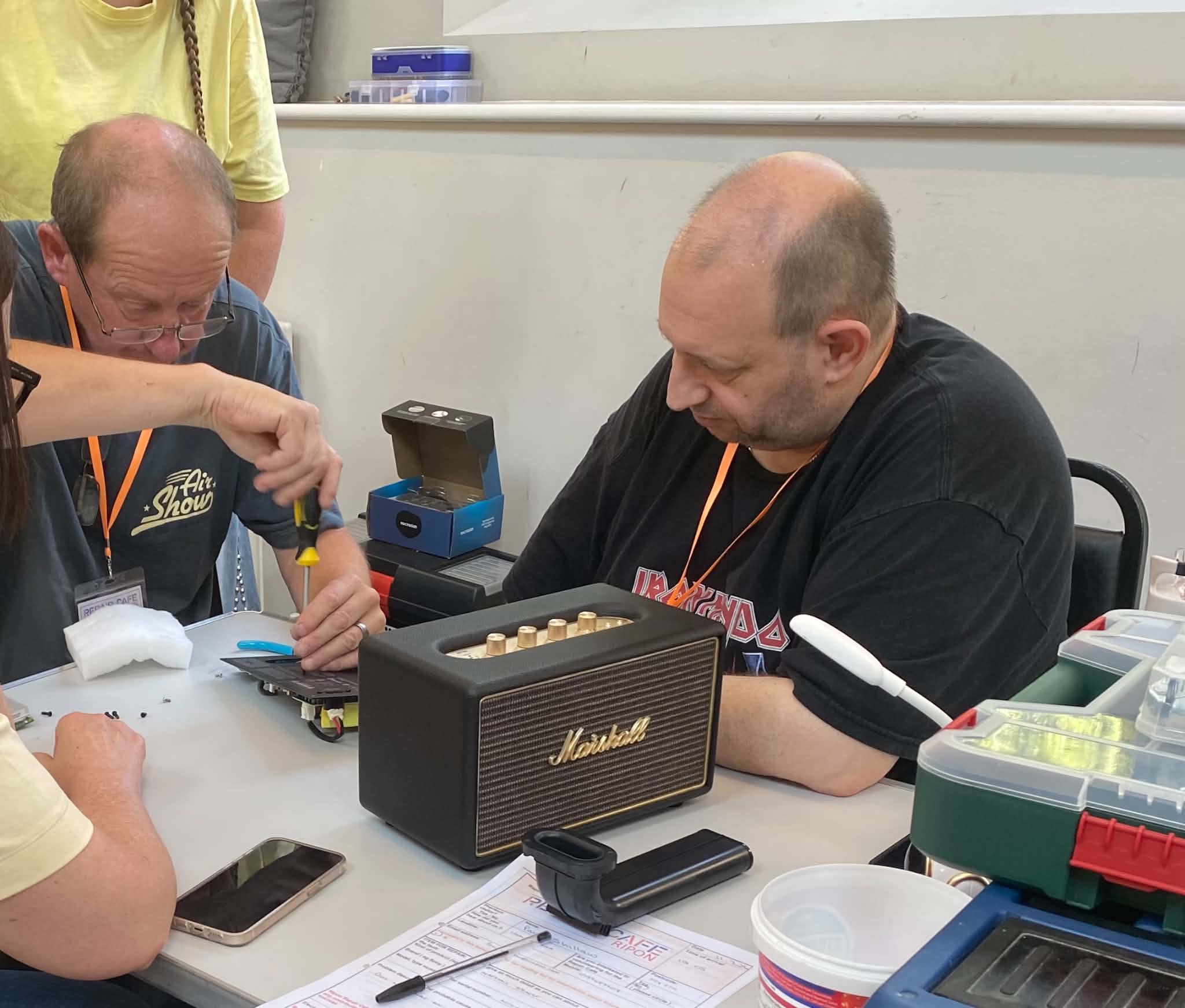
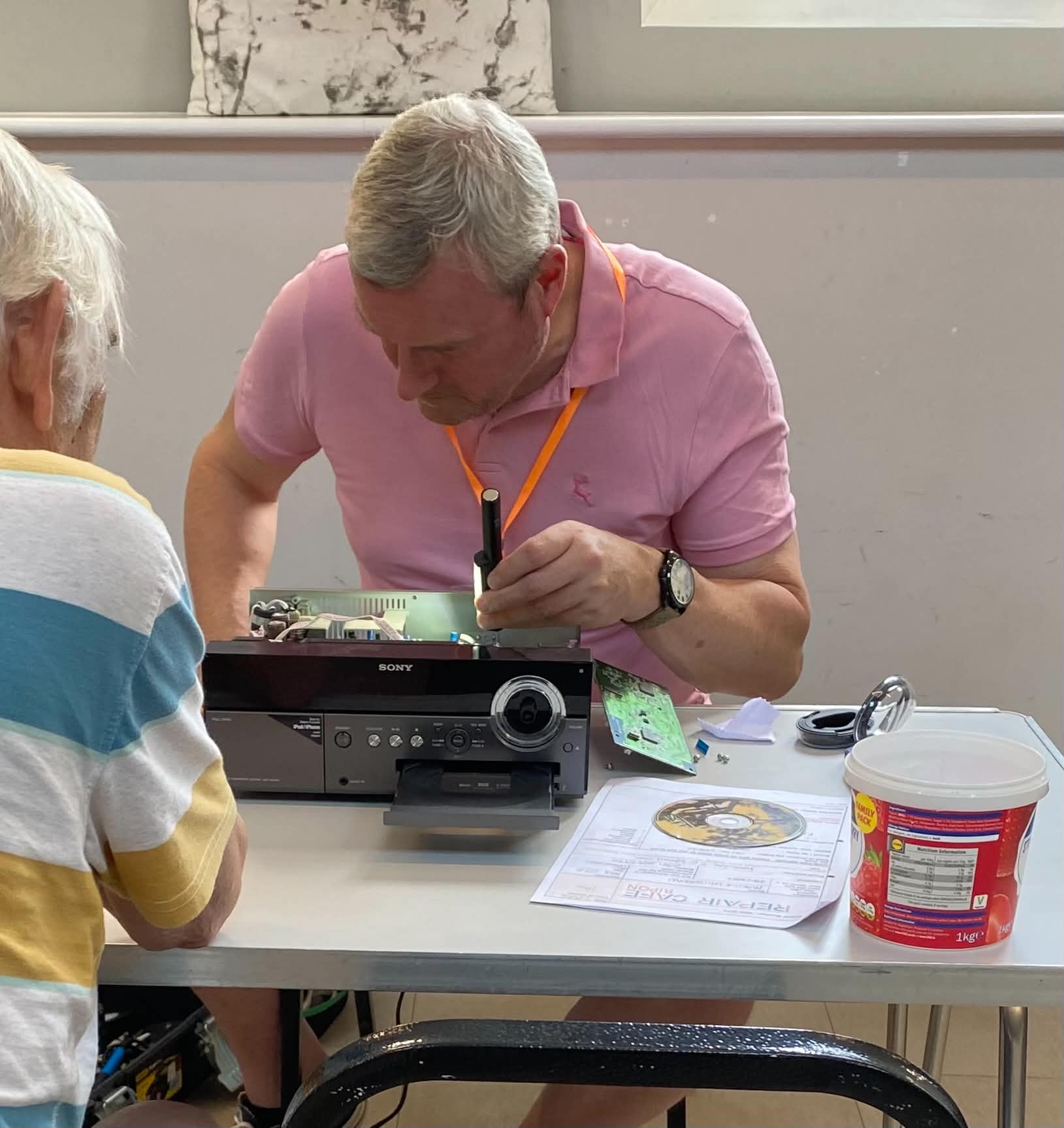
With a range of items suitable for repair, from bikes, clocks, watches, computers, electrical items, leather items, household items, jewelry and even a chandelier, it is easy to see the value of local communities working together to bring together expertise to repair loved items. A small ancient seal for the Mary Magdalen Leper Chapel was also an item that was looked at the repair café, with the hope of a 3D copy being made for the Heritage Open Day.
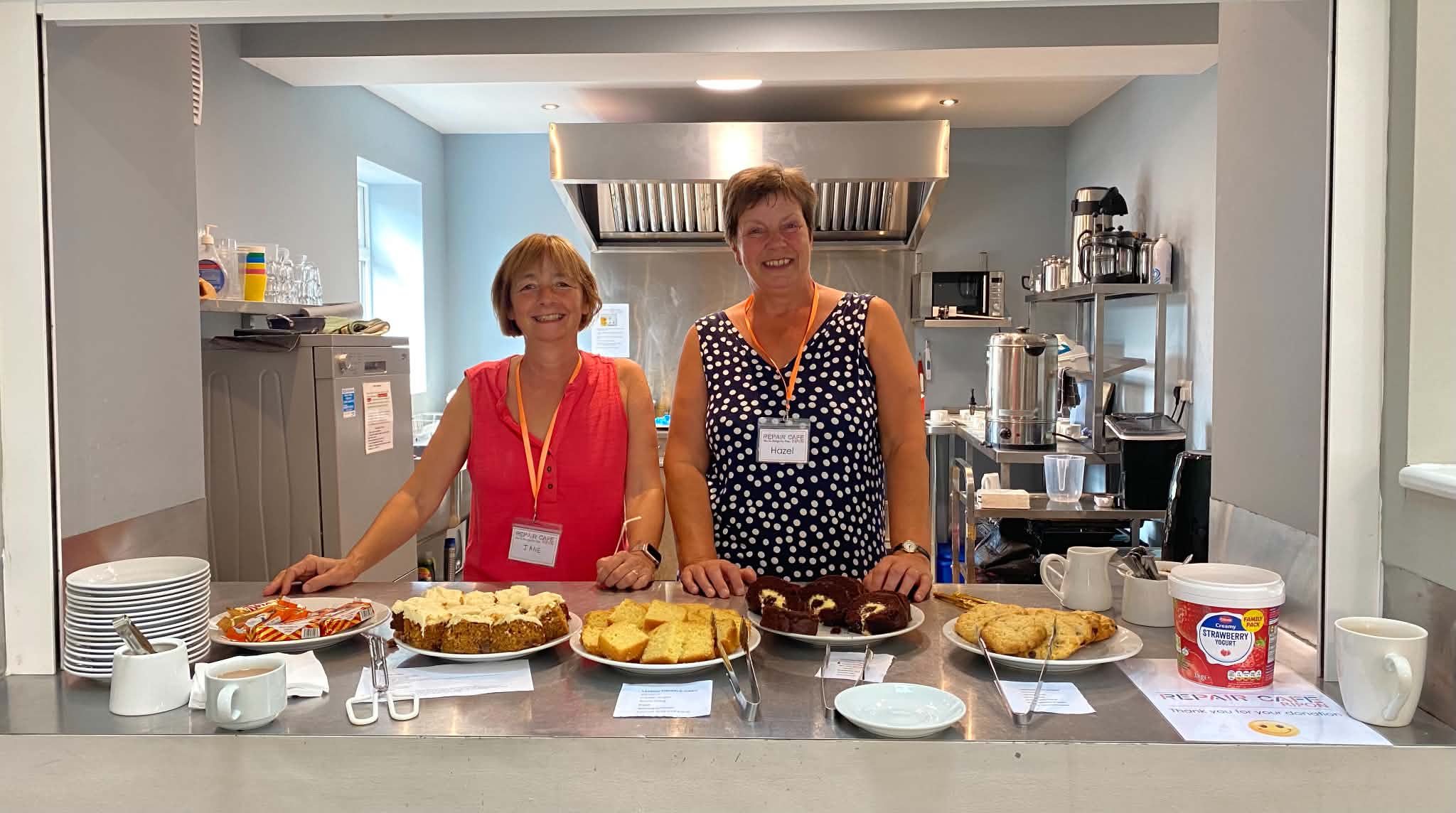
With this strong and successful first year behind them, it can easily be imagined that Ripon Repair Café will now be a permanent fixture in the city and continue to grow and thrive.
 Climate Thoughts with Brian