As the new WMO State of the Climate Update reveals we are heading ‘off the charts’, why is there no drastic climate action on a global scale?
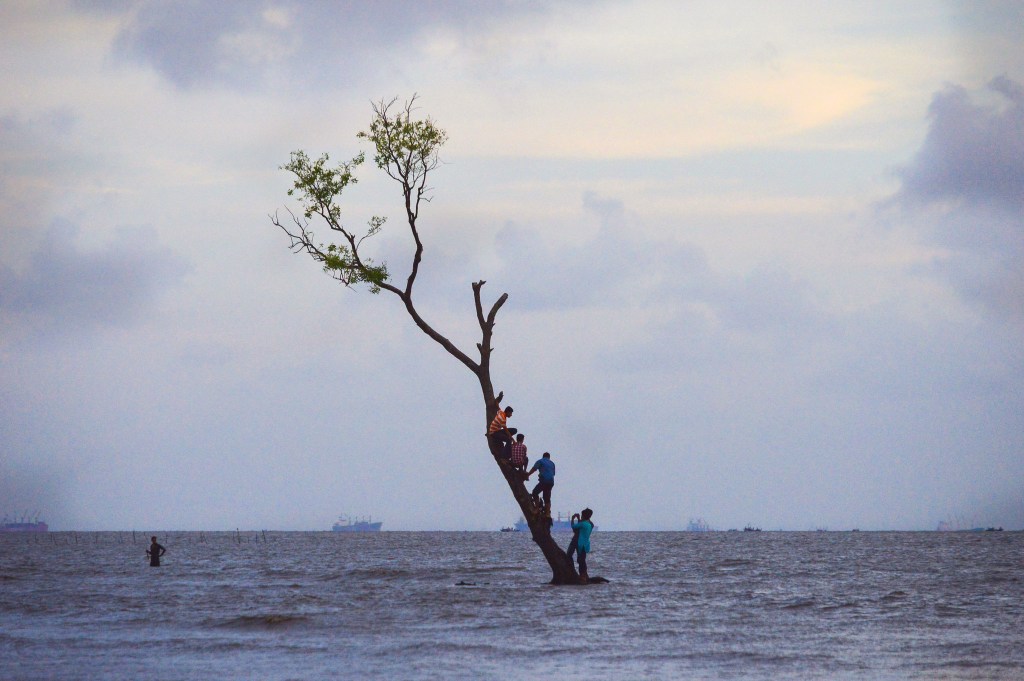
Credit: Kazi Md Jahirul Islam / WMO
The WMO State of the Climate Update published today, to help underpin and inform negotiations at COP 31, indicates instead that more heat and extreme weather will continue into 2027, as countries around the world fail to put the brakes on the global temperature rise.
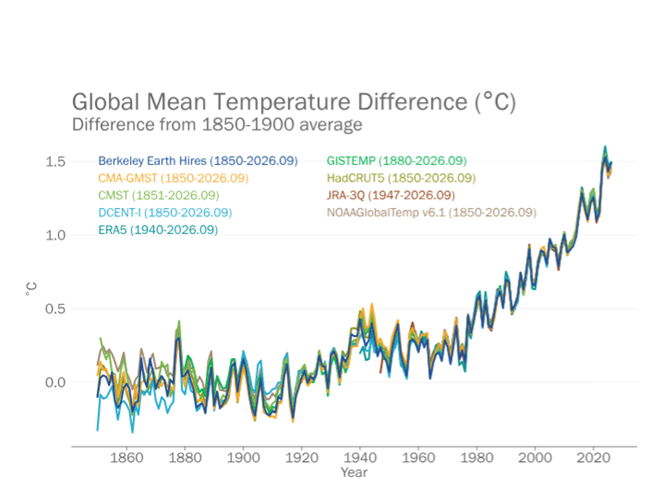
The report summarises that the past 12 years have individually been the warmest on record, with the past four years being the top four. The global average surface temperature for January–September 2026 was about 1.47 °Celsius above the pre-industrial average.
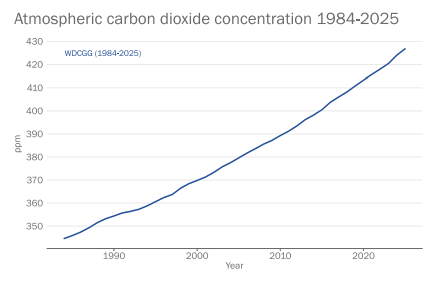
Key climate indicators from global average temperatures, to record greenhouse gas levels, to glacier loss, to the impact on agriculture, the loss of sea ice, the amount of heat absorbed by the ocean, to the significant impact of a strong El Niño, all indicate the increased climate risks that humans face around the world and how these risks disproportionately impact those least responsible.
UN Secretary-General António Guterres said, “We have entered a new age of climate extremes. A supersized El Niño is colliding with a planet already superheated by manmade climate change. Climate records keep falling. The human costs keep rising. And those least responsible are suffering first and worst. Leaders must get serious by cutting emissions faster, accelerating a just transition from fossil fuels and delivering the finance and protection vulnerable countries need.”
Increasing risks to communities
The Update noted that, ‘El Niño typically boosts annual global mean temperatures by around 0.1 °C–0.2 °C, so it is likely that global mean temperatures will remain exceptionally high through late 2026 and into early 2027’, suggesting that droughts, floods, heat and other climate extremes in many regions around the world may increase in likelihood for months to come.
This high level of monitoring and climate intelligence feeds into plans for climate action which aims to mitigate and reduce risks for targeted communities. The main aim is to identify and assess the changes in climate risk, identify where and and when these events might take place and put in place management plans before impacts occur. Climate monitoring however, does not guarantee safety from climate impacts.
“El Niño and indeed the state of the global climate in 2026 gives new meaning to the phrase off the charts. El Niño doesn’t add new heat to the planet. It releases heat from the ocean, which is the warmest ever measured. There is simply more heat available to release,” said WMO Secretary-General Celeste Saulo.
Saulo continued, “We are supercharging our weather and El Niño will be a risk multiplier. Heatwaves, tropical cyclones, and rainstorms are intensifying faster than our historical baselines prepared us for. Hundreds of millions of people this year have been exposed to unbearable extreme heat, whilst the catastrophic ice and rock collapse and flash floods in Nepal highlighted the compound risks facing communities in fragile, warming high-mountain terrain.”
‘Facing a planetary emergency’
Dr William J. Ripple, the joint co-lead of the State of the Climate Report 2026 published only last month, told me, ‘The new WMO report reinforces the findings of our recent 2026 State of the Climate Report. The warning signs are becoming impossible to ignore. We are seeing record greenhouse gas concentrations, rising ocean heat, and accelerating sea-level rise. The science is clear, but the political response is dangerously inadequate. We are facing a planetary emergency, yet governments continue to prioritize short-term economic interests over long-term planetary stability.’
He continued, ‘We are running out of time, not solutions. Renewable energy is advancing rapidly, but powerful fossil fuel interests and political inertia continue to slow the transition. The greatest danger may no longer be what we don’t know about climate change, but our failure to act on what we already know.’
Impact on COP 31
Whether this update will galvanise the climate outcomes of COP 31, taking place in Turkey, remains to be seen. Experienced COP observers seem to be suggesting that global governments have failed to uphold the Paris Agreement of limiting global heating to 1.5 degrees about pre- industrial levels and whether these conferences simply continue to play into the interests of the fossil fuel industry. Johan Rockström, director of the Potsdam Institute for Climate Impact Research, however, warned against losing faith in these climate conferences and instead stressed recently on social media that basing climate actions on the best scientific information can help ensure a safe future for humanity. He said, ‘IPCC provides us the basis for a manageable climate future for people today and tomorrow, across the entire world. Do not undermine it.’
Hope may be lost for significant outcomes from COP31, however this is also the best opportunity for countries to recognise that the climate does not recognise borders and that a combined, collective response from the world is the only solution for the global climate threat.

