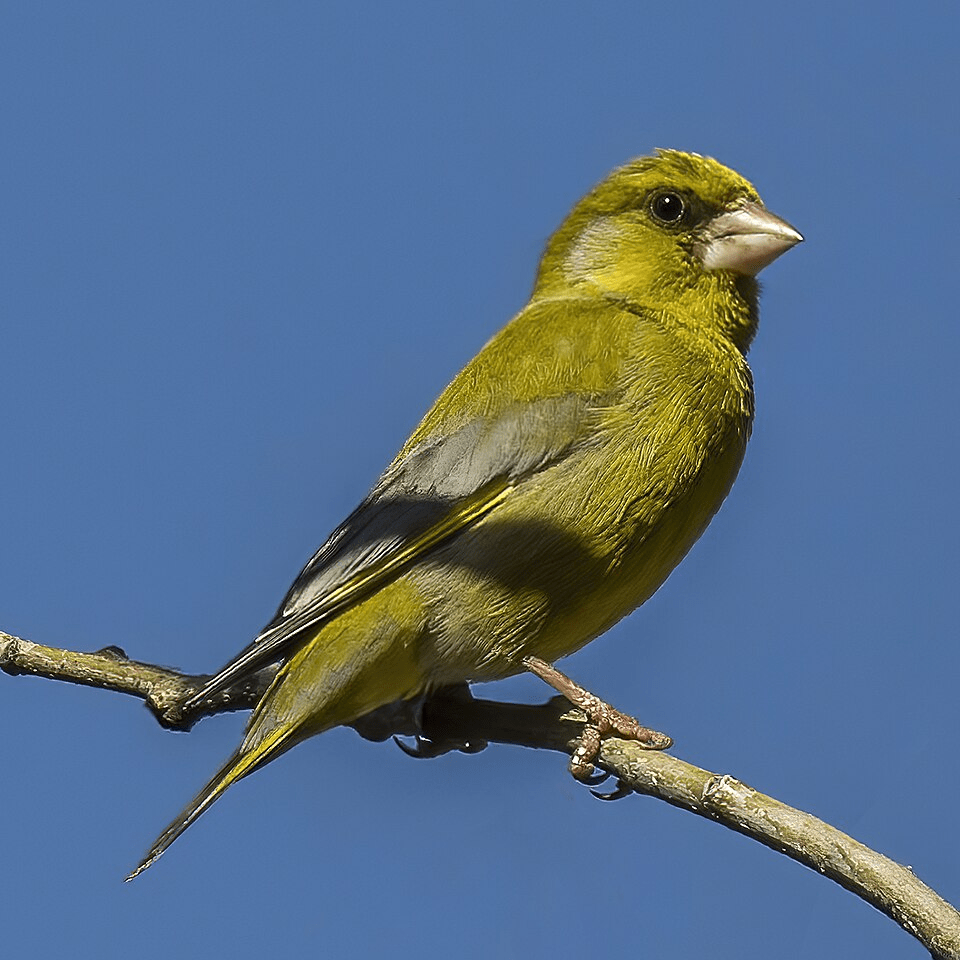
The results from the RSPB’s Big Garden Birdwatch were published today and with over 9.4 million birds counted by some 650,000 of us, the RSPB is asking for the public’s help more to arrest the decline of certain species.
Although there were not too many dramatic differences in the ‘top spot’ of birds which are spotted, the RSPB’s focus has switched this year to an information campaign. The real message this year is to try and prevent the spread of diseases such as trichomonosis, which spreads more easily when birds gather around bird feeders. The RSPB highlighted the plight of the Greenfinch which has suffered a 65% decline, or over 2 million birds, since the mid-1990s, owing to disease-related causes.
Feed safely. Feed seasonally.
The RSPB urged the public to make minor changes to their bird-feeding habits, such as: avoiding peanuts and seeds; more regular cleans of the feeders; moving them around gardens; and changing what the bird diet is, especially in the summer months. Their advice was to remind the public that just one infected bird can turn busy feeders into disease hotspots. To help avoid these disease hotspots, a clear suggestion has been given to begin to stop the use of flat-surfaced feeders, including bird tables, as flat surfaces can result in a higher risk of disease spreading.
The RSPB’s chief executive, Beccy Speight said “Feeding birds is something millions of us love and value, but the science shows us that birds such as Greenfinches have been affected by the spread of disease at feeders.”
She continued, “We’re not asking people to stop feeding, just to feed in a way that protects birds’ long-term health. By making small changes together, we can ensure garden feeding continues to be a positive force for nature.”
Working for Nature
The top three garden birds spotted this year nationally through the citizen-science data gathering were the House Sparrow, with approximately 1.2 million sightings, the Blue Tit, with approximately 1.1 million sightings and the Starling, with almost 800,000 sightings.
Despite the House Sparrow often being recorded as the most commonly spotted garden bird, their breeding numbers have drastically declined since records began over the last 50 years. They were added to the UK Red List of birds of high conservation concern in 2002 and remain there today.
In North Yorkshire, House Sparrows, Blue Tits and Blackbirds were the most common garden birds spotted, though even here, House Sparrows and Blackbirds saw an approximately 4% decline in the percentage of gardens. There was an approximate 15% decrease for Starlings counted in the percentage of gardens in North Yorkshire. On a positive note, the number of Greenfinches in North Yorkshire rose by approximately 7% in terms of a percentage change in the percentage of gardens, so some good news for the species here.
Owing to this mixed picture on a regional level, the RSPB today has made the suggestions to help with the overall national figures and to promote better hygiene for our garden birds. They also have suggested other options such as bird-friendly planting of sunflowers, teasels and ivy to help provide natural, safer food sources for birdlife.
It is clear that so many of the public love the garden birdlife of the UK, with hundreds of thousands taking part in the data gathering every year. This love for nature is clearly what the RSPB want the public to continue to do, in order to reap the rewards of busy gardens, filled with birdsong.
 Climate Thoughts with Brian