
Bentham, Yorkshire is a small picturesque town on the edge of North Yorkshire, close to the iconic Ribblehead Viaduct. In the past few years however, the media spotlight has focused on the PFAS contamination there and, to find out more, some local residents formed a campaign group- ‘Cleaner Bentham’- to attempt to discover the extent of the risk of exposure to PFAS chemicals for those living and working in the town.
A detailed and comprehensive report has now been published by ‘Cleaner Bentham’, which describes the legacy contamination in and around the Angus Fire Ltd site in the town and also highlights recent actions which have been taken to reduce further pollution and to carry out further investigations and cooperation between regulatory bodies.
What are PFAS chemicals?
PFAS chemicals are a group of over 12,000 synthetic chemicals, which are often called ‘forever chemicals’, owing to their persistence in our environment. The UK Government in February 2026 described them as ‘one of the most pressing chemical challenges of our time.’ It acknowledged that although they have brought significant benefits to society, owing to their unique properties which have been used in non-stick frying pans, medical devices in hospitals, outdoor clothing, cosmetics,safety equipment, and many more products, it is those properties which pose risks. ‘Yet their persistence and widespread presence in our environment poses risks we cannot ignore.’
Another historic and widespread use for PFAS chemicals was in fire fighting foams, which links to the town of Bentham through the Angus Fire Ltd site there- a company which describes itself as ‘a global leader in firefighting technology.’
As stated on the North Yorkshire Council website, ‘The Angus Fire site in High Bentham was used to produce firefighting foams for many years, with some of these foams containing per-and polyfluoroalkyl substances (PFAS). Angus Fire stopped testing foams containing PFAS in Bentham in 2022, and has since stopped manufacturing all foam products at the site.
However, these historical operations have led to PFAS accumulating on the property. In particular, testing of a borehole beneath the Angus Fire site found very high levels of PFAS. Angus Fire has confirmed that the borehole has been capped off and has never been used for drinking water.’
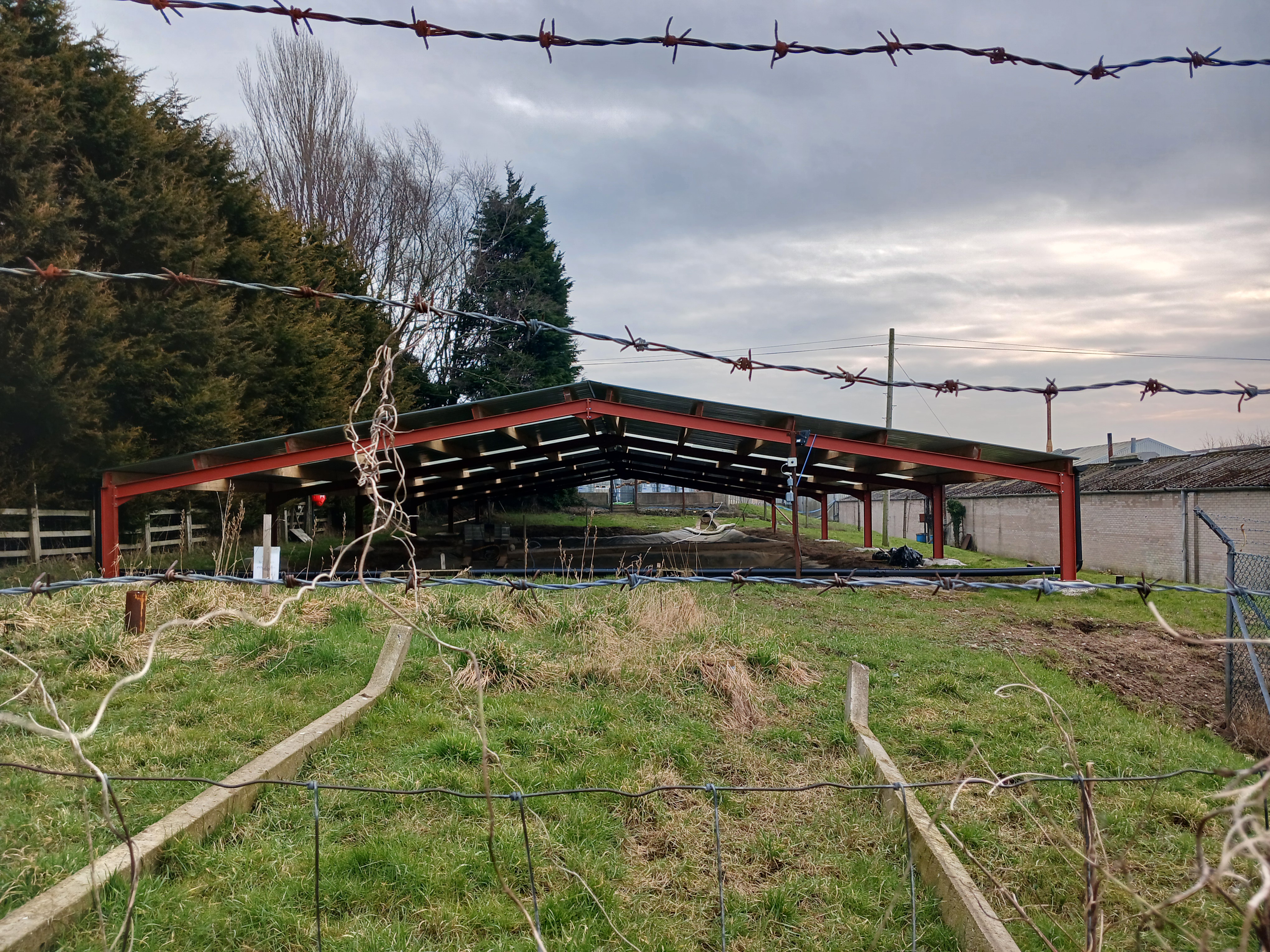
Findings from the Cleaner Bentham report
The report, produced by Cleaner Bentham, argues that these historical operations have created a high risk to human health, ‘the historic (1976-2024) risk to human health from PFAS to have been HIGH to VERY HIGH’. The group does caveat this by acknowledging that the level of exposure to individuals would vary. ‘However, such would also have varied depending on an individual’s degree of exposure to multiple pathways.’
Cleaner Bentham also described the borehole on the Angus Fire site as having very high concentrations of PFAS chemicals. ‘A groundwater sample taken from the northern drinking water borehole on the 31st August [2007] recorded 5,558 ng/L of PFAS which is 556 times the proposed UK Royal Society of Chemistry value for each PFAS chemical in drinking water. In September 2019 a groundwater sample was taken from the northern groundwater abstraction. The total concentration was 882.3 ng/L which is 88 times the proposed UK Royal Society of Chemistry value for each PFAS chemical in drinking water.’
Cleaner Bentham further contends that the groundwater testing in 2008 reveal record levels of PFAS in the UK. ‘Groundwater testing in 2008 recorded a PFAS sum of 1,199,000 ng/L which ENDS 2024 was advised is the highest publicly recorded level in the UK.’
As well as the groundwater pollution outlined above, Cleaner Bentham claims that there has been soil contamination owing to PFAS chemicals and that this may be associated with risks to human health. ‘Forty soil samples were taken but for a limited suite of only 10 PFAS chemicals. All ten chemicals tested positive for the presence of that particular PFAS chemical. PFOS was found in 38/40 soil samples, and PFOA in 36/ 40 samples.’
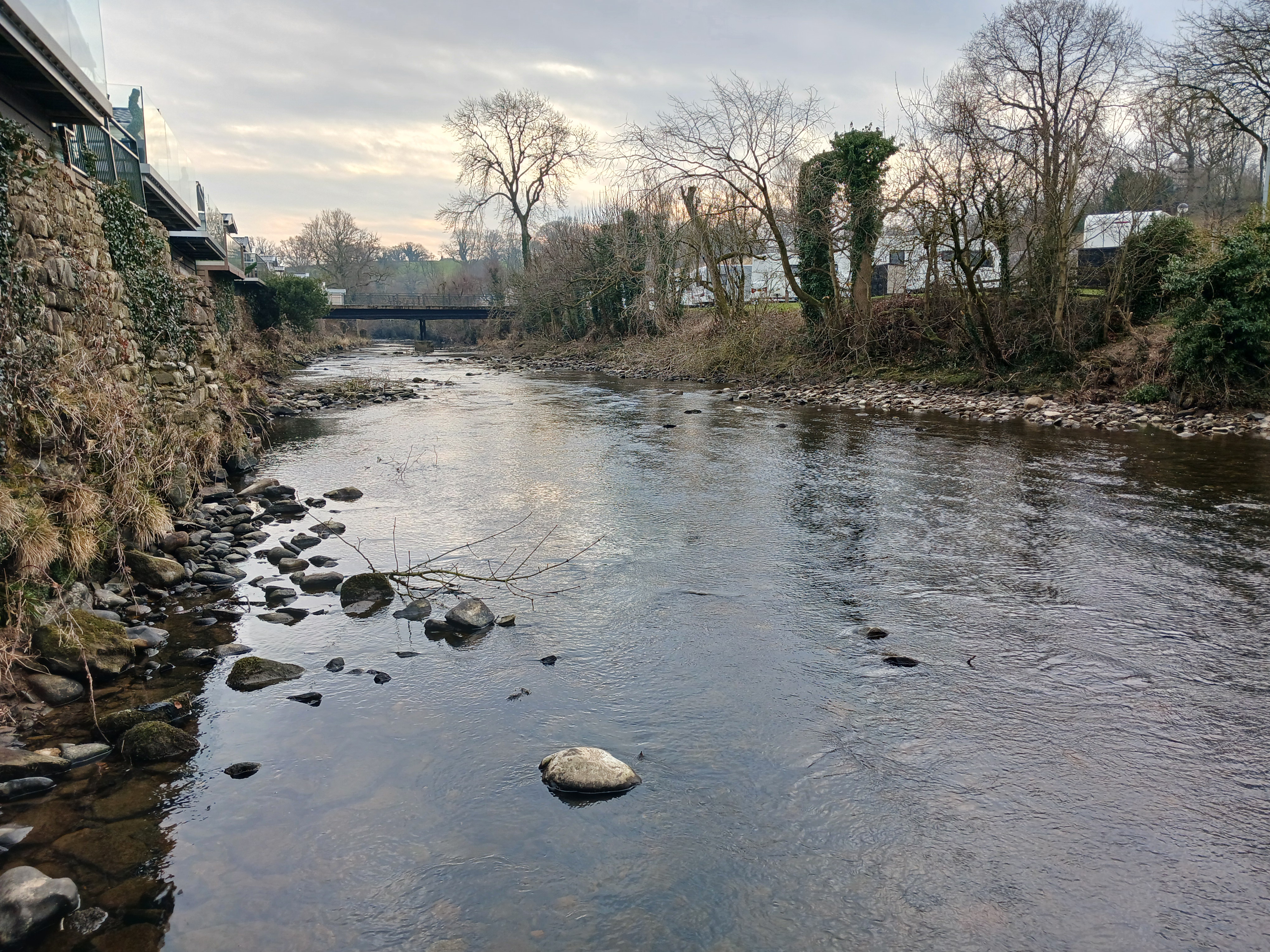
Although the report explores a number of possible active pathways that would increase exposure to PFAS chemicals in Bentham, including any risks from inhalation of atmospheric PFAS, dermal contact and ingestion, it is also at pains to point out the necessary elements which need to be present to result in contamination. These are: to have a source capable of causing pollution or harm; to have a pathway for a contaminant to reach a target; and to have a receptor or target which could be adversely affected. The report notes, ‘If one of these elements is absent, there can be no risk’, that is, a formation of a pollutant linkage needs to be present.

The report also notes that causation must exist for any claimants against Angus Fire Ltd, ‘a claimant must prove that PFAS caused their condition and that the PFAS came from a specific defendant.’ It outlined several ‘road blocks’ to causation such as a lack of specific disease- that no single disease is definitively linked to PFAS exposure, making it difficult to attribute specific health issues solely to PFAS; multiple exposures- that individuals may be exposed to various environmental contaminants; and a latency period, that it can difficult to establish a clear timeline between exposure and illness.’
Further investigation and assessment was recommended by Cleaner Bentham, as well as discussing next steps with regulators. For the group, there were several questions which remained unanswered: ‘A key question regarding PFAS health risks is what Angus knew and when, and did they act in an appropriate manner based on available knowledge. The second question is whether they had a responsibility to find out what chemicals they were using or if they were negligent.’ Cleaner Bentham also wishes to determine impacts from atmospheric disposal. ‘The question remains to what extent did the Angus facility emit PFAS chemicals into the atmosphere of Bentham and the surrounding area, where they could be inhaled by local residents and temporary local residents.’
Have the links been made?
Professor Patrick Byrne, Professor of Water Science at Liverpool John Moores University, told me that more detailed research and investigations would be needed to truly understand the human or environmental impacts. ‘In Bentham, there is clearly a potential legacy source of PFAS from AFFF manufacture. There will be other PFAS source in the area also and we need to quantify these other sources to understand the actual contributions from historical AFFF manufacturer. The receptors in the model are the things that can come to harm, the concerns at Bentham are human health and water and soil quality.‘
He continued, ‘Critical to understanding the level of risk to human health and the wider environment is a very detailed understanding of the pathways – this is how PFAS might transfer from sources to receptors. This is where there is currently a lack of understanding and detailed investigations and research are needed to truly understand and demonstrate any links between AFFF manufacture and human or environmental impacts.‘
Blood testing: No robust conclusions can be drawn
A very limited number of residents agreed to have their blood tested to support Cleaner Bentham. For their documentary, ITV paid for the blood testing of 5 subjects, whose results were shared with Cleaner Bentham. The environmental report made it absolutely clear that this sample size was inadequate and that further testing would be needed. ‘Five subjects (out of a population of approximately 3,000 is not a sufficient data set to make robust conclusions. Statistically, a sample size of approximately 350 subjects would be required for a robust analysis.’ They then reiterated the importance of this saying, ‘No robust conclusion can be drawn at this stage.’
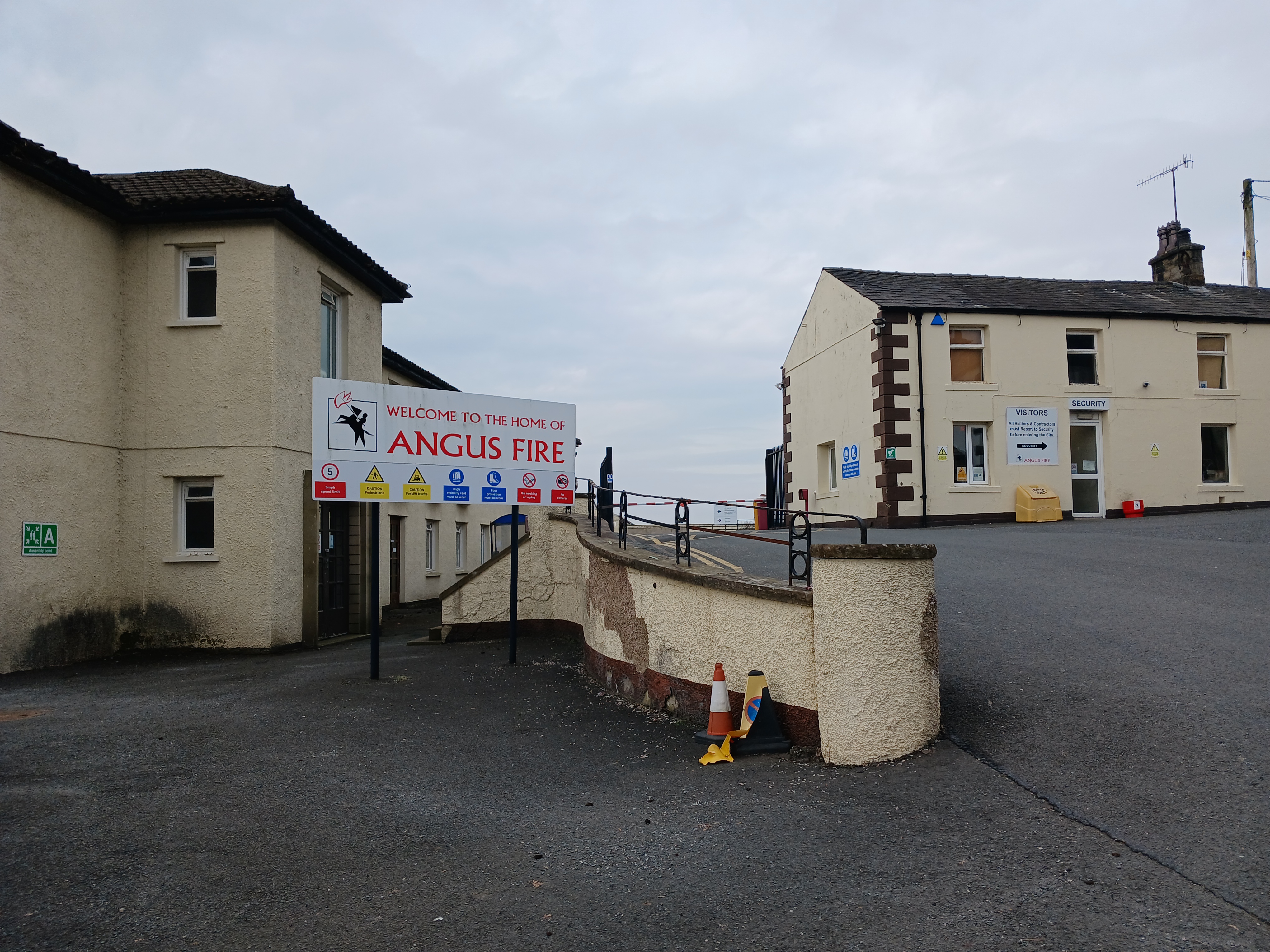
At this stage, Angus Fire are unable to provide a thorough response to the environmental report, as, at the time of writing, they had not been provided with a copy. Their response will be forthcoming. In their latest update to Bentham Town Council, earlier this month, they stated that as part of their ‘characterisation’ activities, more studies and investigations would take place by them during 2026. ‘Characterisation activities are ongoing, with several projects continuing from last year, in addition to new initiatives commencing in 2026. These include a PFAS mass flux in groundwater study, a targeted unsaturated zone transport investigation and a targeted bedrock investigation.’
In this update, they pledged to resolve the concerns of the Bentham community as quickly as they could and within regulatory powers. ‘Our objective remains the same: as characterisation evolves and we become aware of matters that require immediate corrective action and/or remediation, then in agreement with the Environment Agency and/or North Yorkshire Council, we will look to implement. We fully recognise the concerns of the Bentham community, and we will continue to do our best to resolve these matters as quickly and as expediently as we can, and within regulatory constraints.’
 Climate Thoughts with Brian