Will the Yorkshire Dales be ruined by renewables?
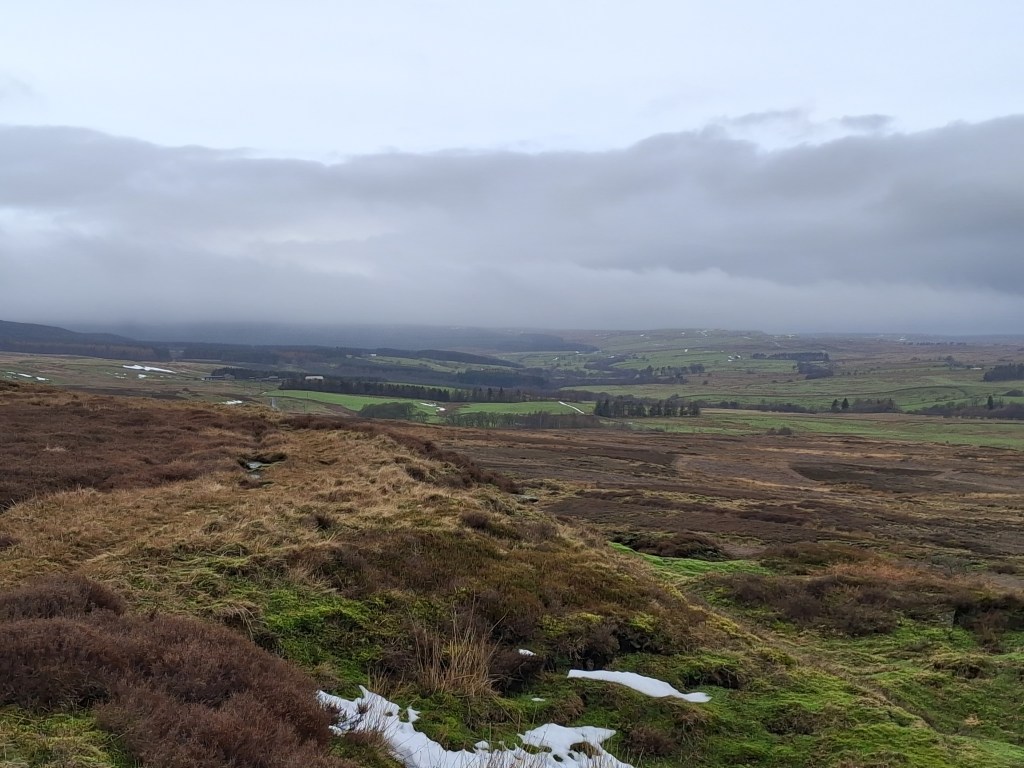
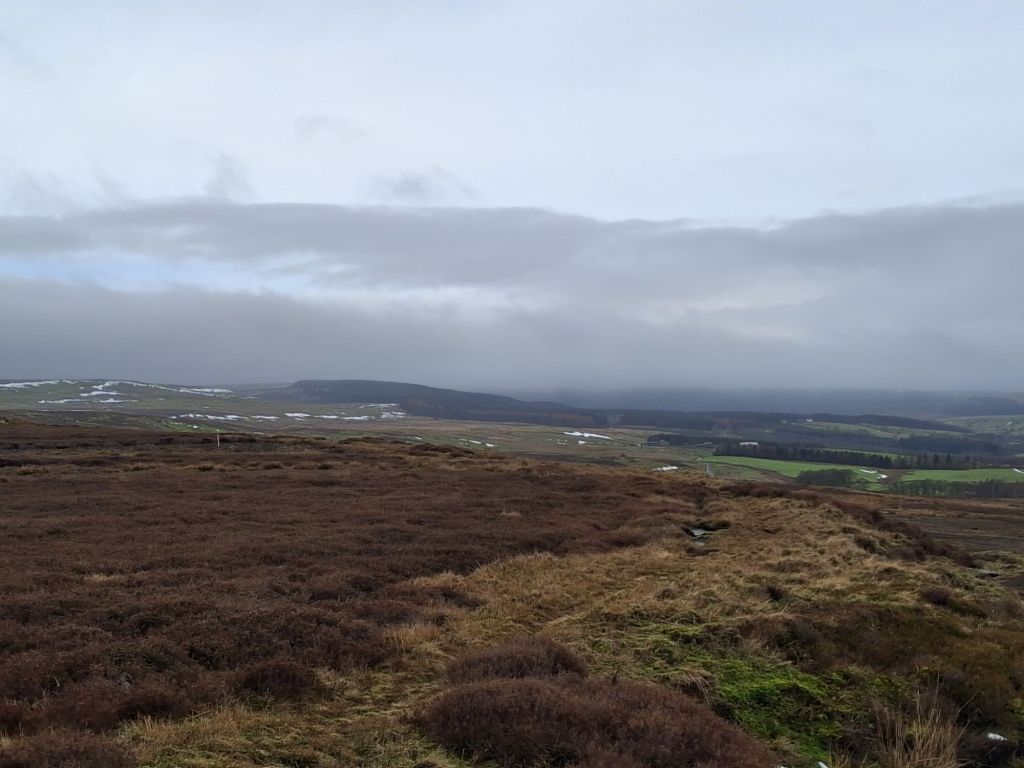
Fred. Olsen Renewables have identified a site right on the edge of the Yorkshire Dales near to Richmond, where they hope to erect approximately 20 wind turbines on a peatland moor. This project would generate more than 100MW of renewable energy and would generate enough power for 81,000 homes and businesses, claim the developer.
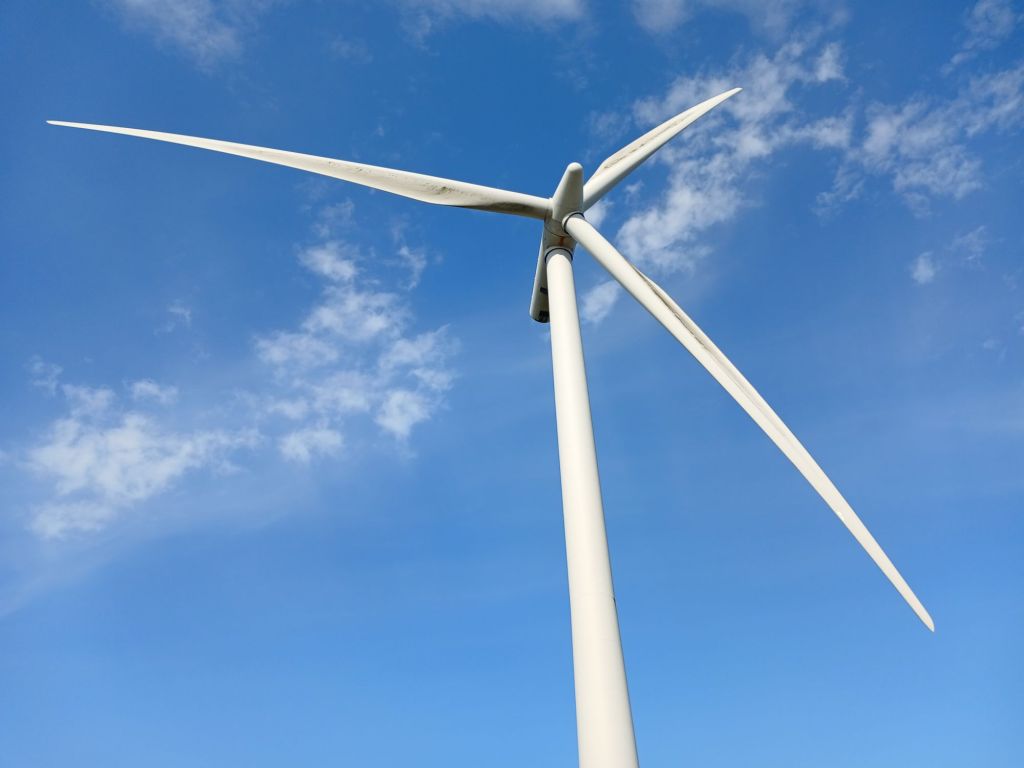
The site would cover approximately 1,130 hectares and the initial design of the wind turbines appear to be around 200 metres high, or approximately 656 metres. The typical height of a wind turbine in the UK tends to be lower than this 200 metres, with an average of over 50- 150 metres. As a comparison, the Whitelee Wind Farm near Glasgow in Scotland, and the largest windfarm in the UK, measures between 110-140 metres and has approximately 215 turbines generating 539MW capacity.
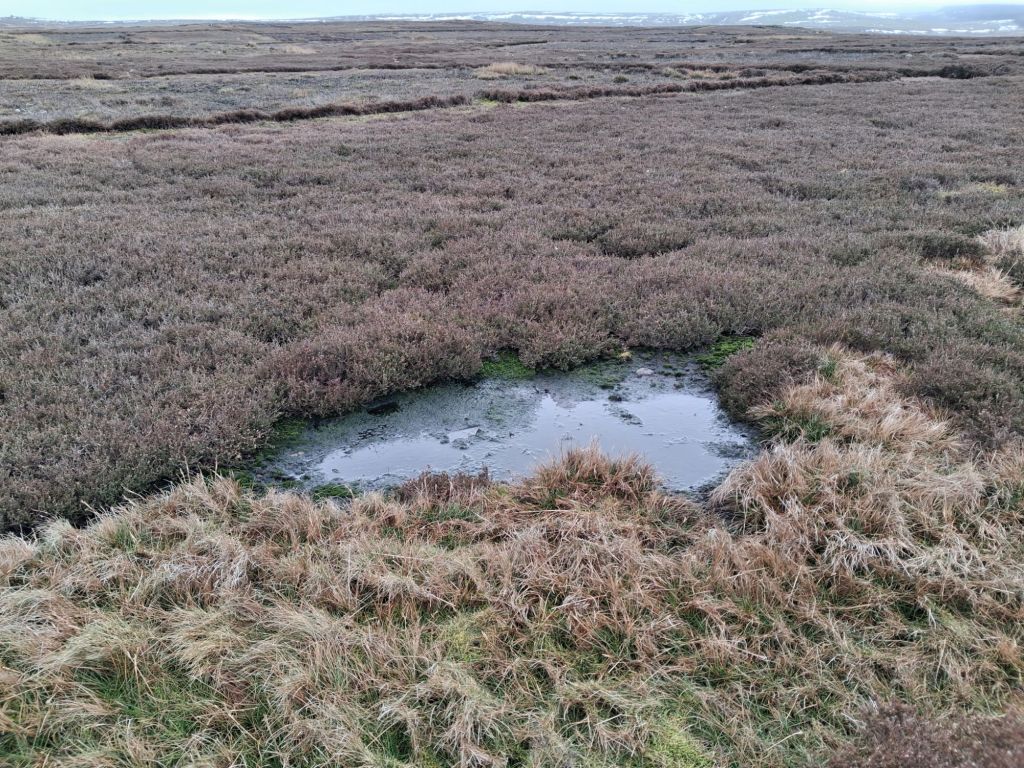
With two rounds of public consultation planned for later in 2026, this application from Fred. Olsen Renewables for Hope Moor windfarm will proceed through a Development Consent Order (DCO) rather than a standard planning application, with the decision whether to grant consent resting with the Energy Secretary, the Rt Hon Ed Miliband MP.
Miliband announced contracts for many renewable projects only this month- with 28 onshore wind projects planned, 12 offshore wind projects planned, as well as 157 solar projects planned, so campaigners fear that Hope Moor will be ‘green lit’ by the Energy Secretary as part of the renewables drive, and that although their views may be listened to, that this project may already be a done deal, as far as the Department for Energy Security and Net Zero is concerned.
Energy Secretary Ed Miliband said:
‘These results show once again that clean British power is the right choice for our country, agreeing a price for new onshore wind and solar that is over 50% cheaper than the cost of building and operating new gas.
By backing solar and onshore wind at scale, we’re driving bills down for good and protecting families, businesses, and our country from the fossil fuel rollercoaster controlled by petrostates and dictators. This is how we take back control of our energy and deliver a new era of energy abundance and independence.’
‘Certainly not a case of nimbyism’
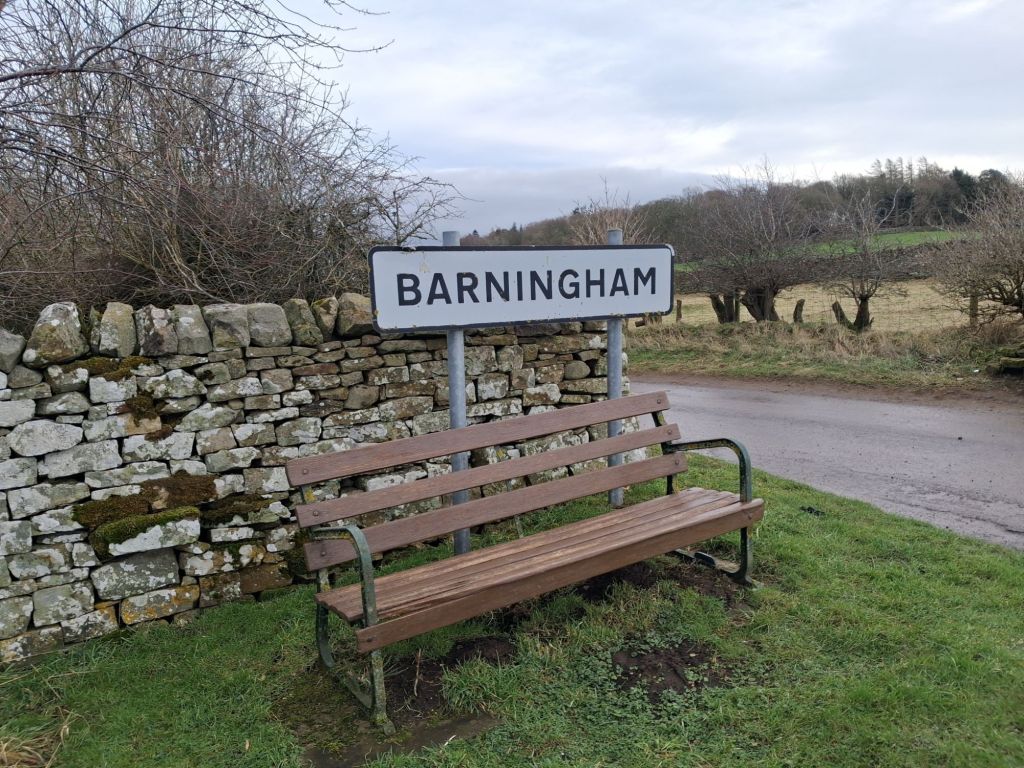
A local campaign group against the proposed windfarm was created around 5 months ago- Hope Moor Wind Farm Action Group (HMWFAG) to both raise awareness of the project in and beyond the local community and also to try and stop the development going ahead. Suzy and Tim Wilson, lead campaigners of the group, told me that their main concern was ‘the enormous scale of the development under NSIP procedures, where all the processes work in favour of the developer and Department of Energy and local authority and community voices are largely irrelevant.’
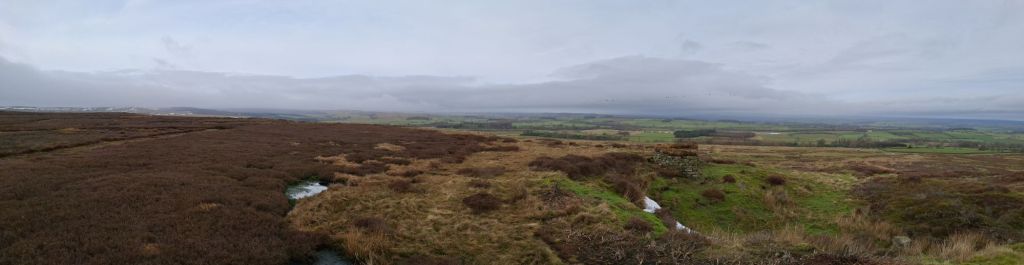
They continued their concerns saying, ‘We are privileged to live in a beautiful place on the North Yorkshire Moors which have been treasured and nurtured for generations and provide a wildlife haven which will be desecrated for future generations and possibly forever if the development goes ahead…This is certainly not a case of nimbyism but of deep sadness that such a stunning landscape could be ruined forever in an accelerated process which bulldozes through all previous planning and wildlife protections.
Vast swathes of this beautiful Island have already been ruined and we want to preserve the wild beauty of the moorland and not see it turned into an industrial energy park to the detriment of the millions of visitors who visit the North Yorkshire Moors, The Yorkshire Dales, Teesdale and the North Pennines each year to enjoy the amazing views and wildlife.’
Political or environmental protest?
A significant number of posts in the online campaign group do give the appearance of having more of a political objection to the proposed windfarm, rather than an environmental argument. This may be the case however, owing to a lack of detailed information from statutory consultees at this early stage in the process. Numerous posts from ‘Reform Against Net Zero’ and the website ‘The Daily Sceptic’- which is well known for pushing misinformation on vaccines, COVID and climate change- appear to be focusing more on anti-wind power in general, rather than objections to this particular proposal. When asked whether the Wilsons felt this diluted and weakened their argument, they said, ‘We do try to monitor the content and hold back anything misleading, but it is a forum for sharing.’
They added, ‘The Action Group is entirely non-political and 100% environmental and has no agenda other than to protect the beauty of the wildlife and moorlands for future generations by preventing this industrial development on a totally inappropriate site.’
They claimed that none of the members of the campaign group were anti-renewable energy per se, but just that they objected to the proposed 20 turbines near their village, on the moor. ‘We have members across the political spectrum and no member is anti-renewable energy.’
Early stage in process
Kelly Wyness, Senior Project Manager at Fred. Olsen Renewables, highlighted the early stage in the process, when he said:
“We’re at an early stage in developing our proposals for Hope Moor Wind Farm. From the outset, we’ve been aware of both the sensitivities of the site and its genuine potential to contribute to UK energy security.
As with our projects in Scotland, Hope Moor will deliver new renewable power, support local jobs and skills, and provide funding for moorland and environmental stewardship, cultural heritage and local communities.
As we move forward, we’re committed to shaping the project with the community. In the spring, we’ll share our early plans as part of a first stage of public consultation, giving people the chance to see the proposals, ask questions, and help influence how Hope Moor can deliver for the community and the country as a whole.”
 Climate Thoughts with Brian